This site contains affiliate links. I may earn a small commission, at no extra cost to you.
Published 19/09/2025 & updated on 01/05/2026.
Whether you have a damaged skin barrier and need to repair it, or you are just looking for an everyday barrier repair product, this post will cover the best barrier-building serums for all skin types, including acne-prone skin.
We’ll go through what a damaged skin barrier actually is, the signs to look out for, and how to properly use a barrier serum to fix your skin if it’s compromised. I’ll also share the products I’d actually recommend.
I saw such a big change in my skin when I began incorporating a protective barrier serum into my daily routine, in general, not just when I had irritated skin! For that reason, I really recommend you add one to your skin care routine.
Table of Contents
- What Is a Damaged Skin Barrier?
- What Are the Signs of a Damaged Skin Barrier?
- How to Repair a Damaged Skin Barrier
- How to Use a Barrier Repair Serum
- The Best Skin Barrier Products for All Skin Types (Including Acne-Prone Skin)
- Final Thoughts on Skin Barrier Repair
What Is a Damaged Skin Barrier?
A damaged skin barrier happens when your skin’s outer layer isn’t working properly anymore.
Your skin has a protective lipid layer on the outside of it that does a few important jobs:
- It keeps bacteria out
- It helps reduce damage from environmental factors such as pollution
- It keeps water and moisture locked inside the skin, so your skin can stay plump and hydrated
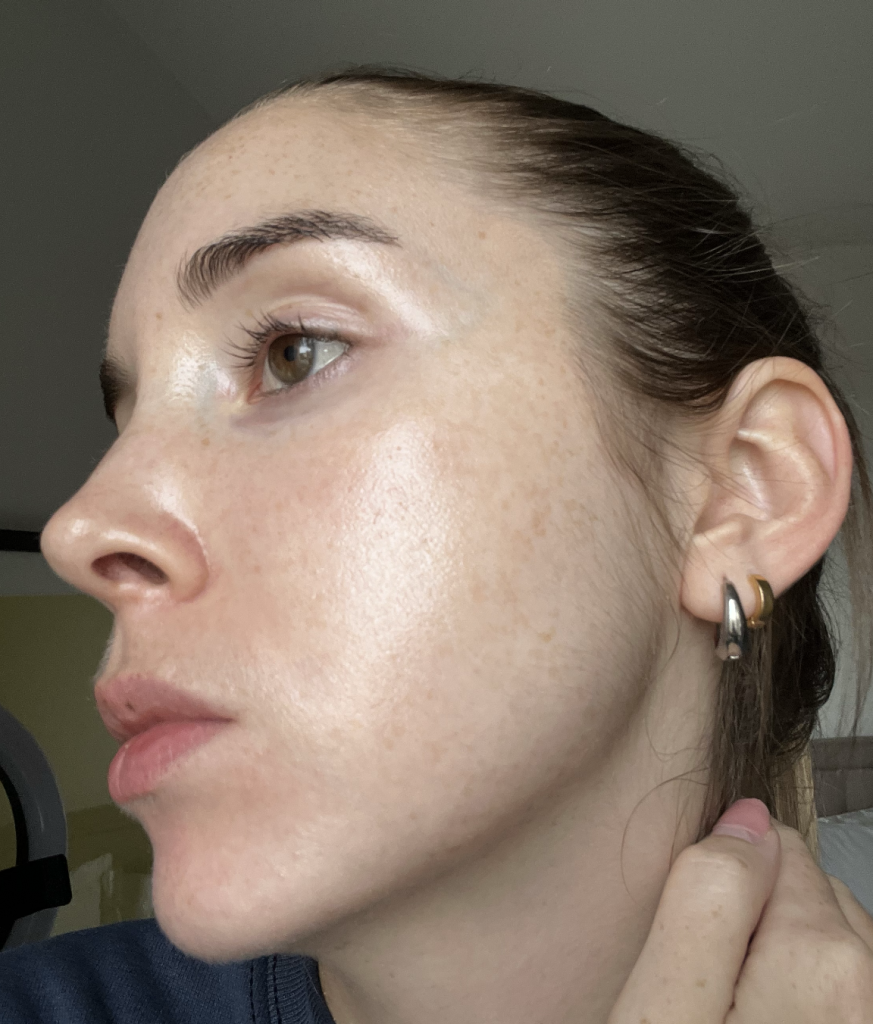
When this barrier becomes compromised, it can’t do those jobs properly. That’s when your skin starts to feel dry, irritated, sensitive, or just generally “off.”
If your skin barrier gets damaged, it’s almost impossible to regain control of your skin without repairing it. Skin barrier repair products not only repair the barrier if it’s weakened, but will also keep it looking healthy.
What Are the Signs of a Damaged Skin Barrier?
If you’re using a lot of acids, active and retinoids, you’re definitely at risk of damaging your skin barrier.
But even if you’re not, things like weather changes, over-cleansing, or harsh products can also throw your skin off.
So, how do you actually know if your barrier is damaged?
Here are some common signs to look out for:
- Both Dry & Oily Skin: Your skin feels dry and tight yet oily at the same time, when it normally doesn’t feel like this.
- Actives Aren’t Working: You have been using more actives than usual, especially in an effort to control the more breakouts you’re seeing, and it doesn’t feel like it’s working!
- Redness: Your face appears redder than normal.
- Stinging: Your skin stings when you apply products you usually use that don’t normally sting.
Is Acne a Sign of a Damaged Skin Barrier?
Yes, acne can be a sign of a damaged skin barrier.
When your moisture barrier is compromised, your skin can become seriously dehydrated. In an attempt to quench that thirst, it can overcompensate with oil production, leading to clogged pores and more breakouts, often in places you wouldn’t normally get them.
This is why you might notice your acne getting worse even though you’re using more actives, breakouts appearing alongside dryness, redness, or sensitivity, and your usual acne products suddenly not working (or making things worse).
It’s a bit of a cycle: you get more breakouts, so you use more actives, which then damages your barrier even more.
If your acne feels different to usual and your skin is also irritated, it’s worth considering that your skin barrier might be part of the problem.
How to Repair a Damaged Skin Barrier
If your skin barrier is damaged, the goal is to simplify everything and let your skin recover. This isn’t the time to be experimenting or throwing more products at your skin. Less really is more here.
The biggest mistake people make is trying to fix their skin with more actives, when actually, that’s usually what caused the problem in the first place.
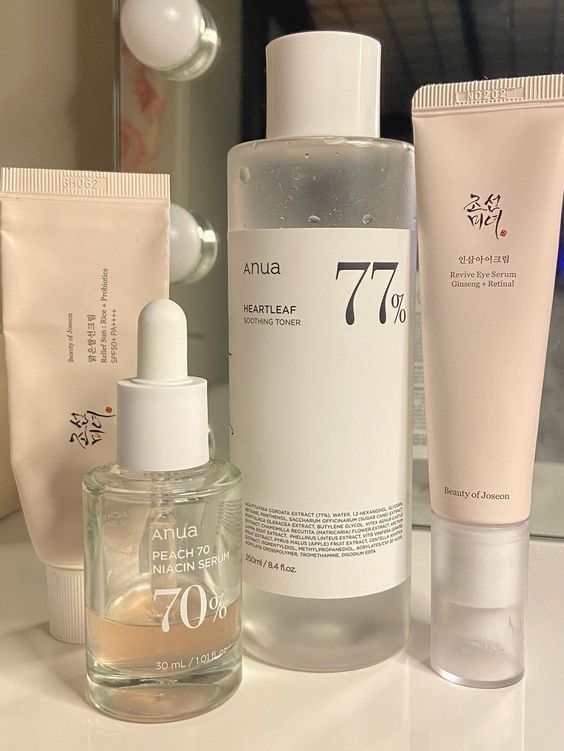
Here are some tips on how to repair a damaged skin barrier:
- Stop Using Actives: Take a break from actives for at least 1-2 weeks. You cannot heal your skin barrier and still use exfoliants, acids and retinoids, etc., at the same time. It’s just not going to work!
- Keep Your Routine Simple: Cut your routine down to a few simple products without actives. Cleanser, barrier serum, moisturiser and SPF are all I use when my skin is feeling sensitised.
- Avoid Hot Water: Make sure you’re only cleansing with warm water, not hot! Hot water can damage your skin barrier, too.
- Reintroduce Actives Slowly: Once your skin feels back to normal, you can start bringing actives back in, but do this gradually, not all at once.
- Listen to Your Skin: Prevent future flare-ups by skipping your actives on days when your skin feels a bit off. Don’t let it get super bad before you allow it to recover!
How to Use a Barrier Repair Serum
Using a barrier repair serum is actually really simple, but there are a few things worth knowing to get the most out of it.
When applying barrier repair serums and toners in the morning:
- Apply first thing in the morning, either after cleansing (or not if you don’t cleanse).
- You can apply it to damp skin for a boosted effect, but it will still benefit your skin if it’s not damp.
- While it’s still damp, apply your moisturiser, no need to wait for it to dry.
- If you apply moisturiser (optional) and then SPF afterwards, make sure to allow the skin to dry down before applying SPF so that you have complete protection.

When applying at night:
- Apply your barrier repair serum after your active, such as a retinoid, or immediately after cleansing, if you are not using actives.
- If you’re using a barrier repair cream, you’ll want to apply it as the last step, after serums.
People often ask if they should use the serum before actives like retinoids. Ultimately, there is no definitive answer; I just prefer my retinoid to have clear contact with my skin so it can work optimally. If you’d like to learn more about retinoids, download my retinoid guide.
The Best Skin Barrier Products for All Skin Types (Including Acne-Prone Skin)
Now that we’ve covered all the key information you need to know about a damaged skin barrier and how to fix it, let’s move on to my top skin barrier product recommendations.
These skin barrier products come in all different formats depending on what you prefer, including toners, serums, creams and gels.
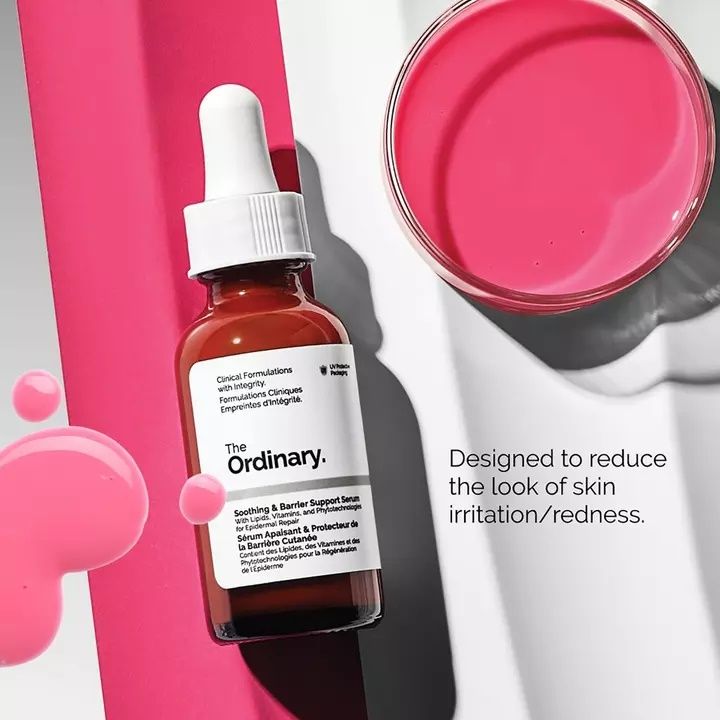
1. The Ordinary Soothing & Barrier Support Serum
The Ordinary is the first skincare brand I got really into when I was about 20. Now I’m 30, and they still make great products! However, in the past few years, I’ve sort of fallen out of love with them, aside from their squalane cleanser that I regularly recommend for double cleansing.
When they released their Soothing Barrier & Support Serum, I was very pleasantly surprised. The only downside for me is the price here. Maybe I’m old, but… £17 is a lot for the Ordinary! Other than that, I think the product is great for repairing a damaged barrier.
Like most barrier repair products, it contains centella, madecassic and asiatic acid. What makes this one different is the addition of vitamin B12, which gives the serum its pink colour. This serum is great for preventing a compromised skin barrier, especially if you use a retinoid or acids regularly.
2. Dr Sam’s Flawless Moisturiser Intense
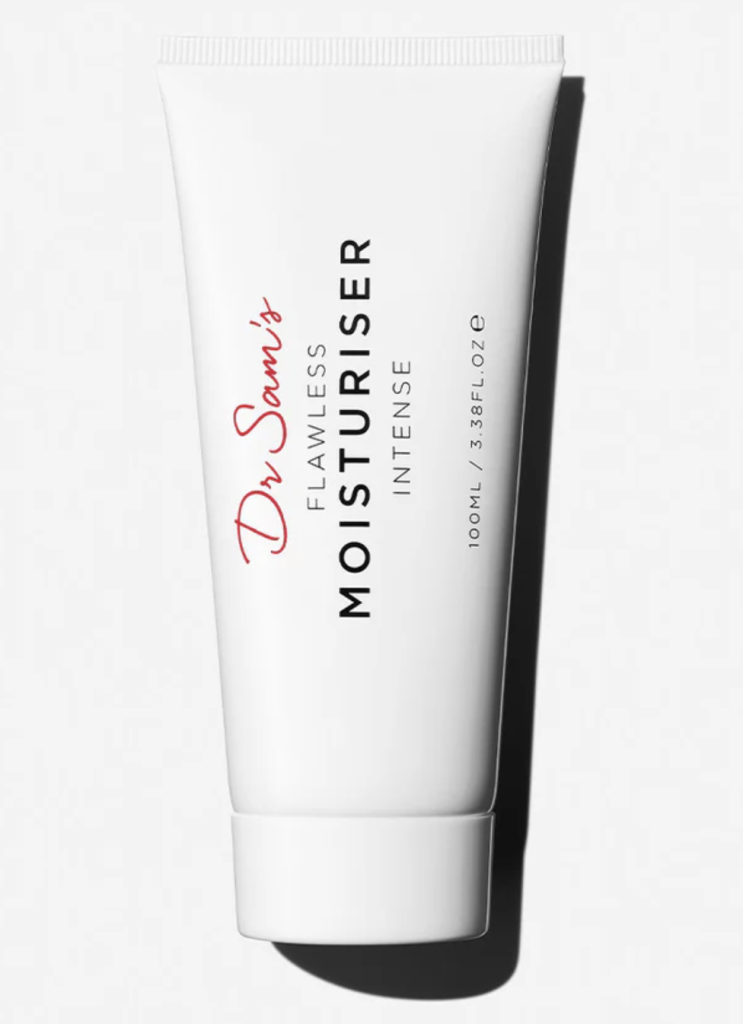
I would liken Dr Sam’s Flawless Moisturiser Intense to a more acne-friendly version of the La Roche Posay Cicaplast Baume, which, by the way, I generally don’t recommend for acne-prone skin, unfortunately. They are both barrier repair creams, but Dr Sam’s has fewer ingredients, so it is more likely to work for breakout-prone skin.
The texture is heavier than a gel cream, but doesn’t quite feel like a rich cream. After a few minutes, it feels almost invisible.
You can include this cream as the second-to-last step before SPF in the morning, or your final step at night to soothe dry skin and maintain a healthy skin barrier. The main issue with this option is the price; it is not cheap! But if you want to spend more, I think you’ll love it.
3. COSRX Hydrium Centella Aqua Soothing Ampoule
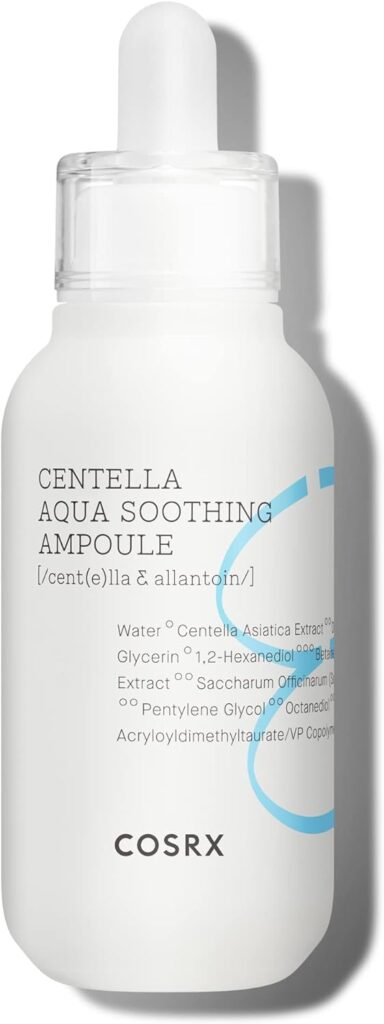
COSRX is a trusty Korean skincare brand that makes a lot of great products. I love their Hydrium range, and this Centella Aqua Soothing Ampoule is an ideal barrier serum for acne-prone skin. This is also a great option for sensitive skin, as it’s fragrance-free and very lightweight.
Like other products in this list, it contains centella asiatica, which is one of my personal favourite ingredients, along with glycerin. You may like this serum if you have oily skin, especially as it is very lightweight and watery, whereas a barrier recovery cream texture might be a little heavy for you.
4. Beauty of Joseon Glow Serum with Propolis and Niacinamide
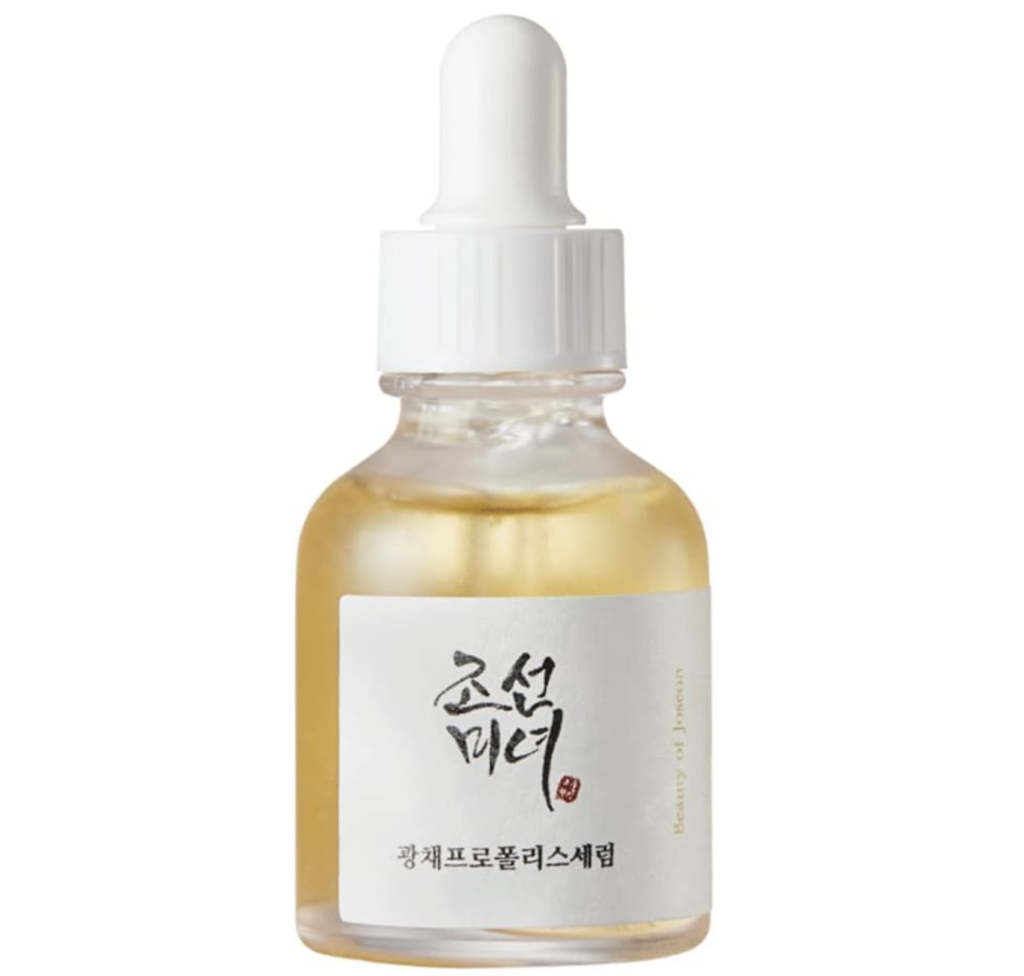
Beauty of Joseon gets a lot of hype on social media, and, generally speaking, I like their products. This Glow Serum contains niacinamide, which is pretty polarising in the skincare community!
Aside from strengthening your skin barrier, you can easily mix and match it with other actives without worrying. However, some people find that it does the opposite for their skin, unfortunately.
The serum also contains propolis, which, much like honey, is both antibacterial and anti-inflammatory. Together, they make a powerful combo for glowing, glass skin and a healthy barrier. This can fit really easily into any skincare routine, as you don’t have to worry about what you layer it with.
5. Aveeno Face CALM+RESTORE Triple Oat Serum

This Aveeno range just keeps on giving. It’s very affordable and accessible across most of the world, and I love that the whole range is just about ‘calm and restore’. If you’re looking for a water-based cleanser, the one from this Aveeno range is a great choice.
Most of the soothing properties in the Aveeno Triple Oat serum come from oats, as the name suggests. In retrospect, this serum is more of a soothing serum than a full-on barrier repair serum. If you’re not keen on niacinamide, this one doesn’t contain it, so it may be a great option for you!
6. Purito Centella Unscented Serum
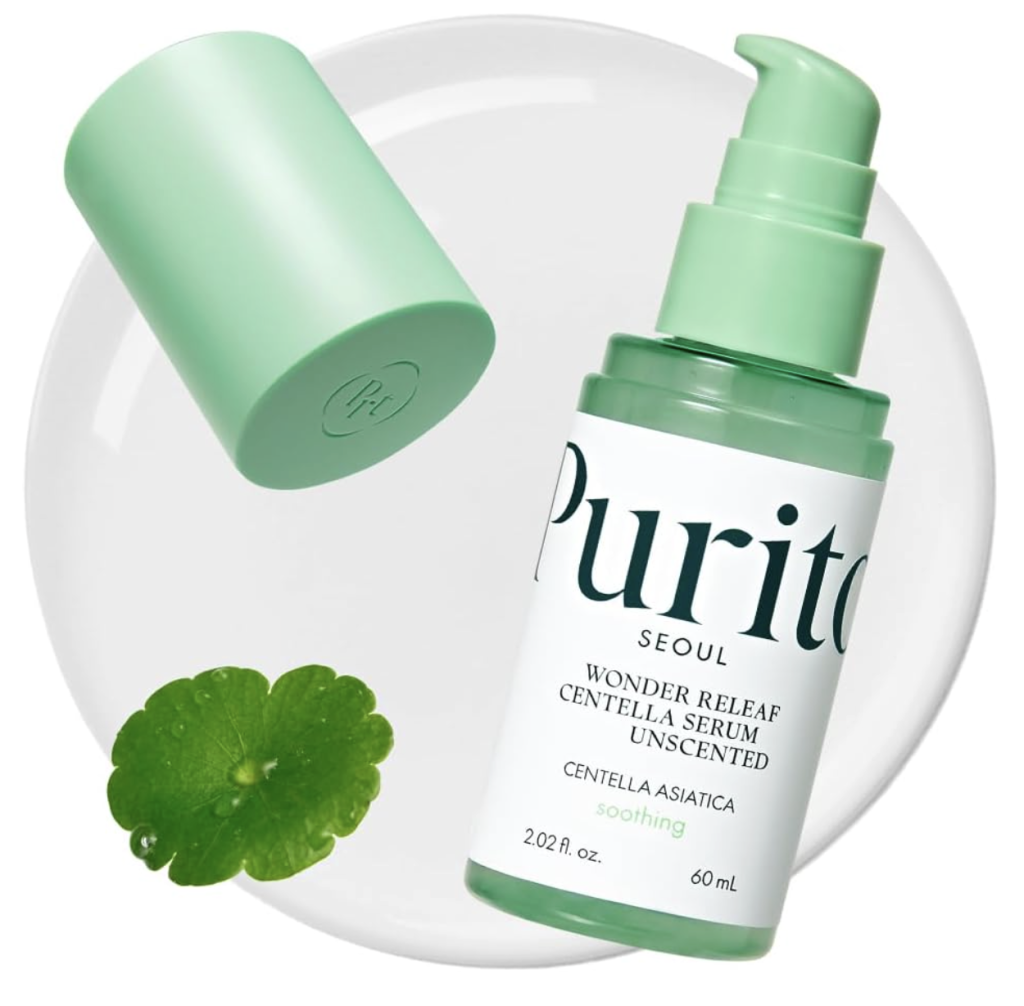
The Purito Centella Unscented Serum is one of my personal faves; it’s so simple yet so effective for me. Many people who follow my social media have tried it and loved it, and others have reacted to the niacinamide, which is a real shame. Either way, I love her!
In 2024, Purito reformulated this serum and, after a few trials, I concluded it was just as good as the original. Ultimately, it felt similar and had nearly the same formula, and it still is hundreds of people’s holy grail serums. However, I have to say, having tried it a few more times recently, I just don’t love it as much as the original. I still think it’s a great product, though.
7. The INKEY List Ectoin Hydro-Barrier Serum
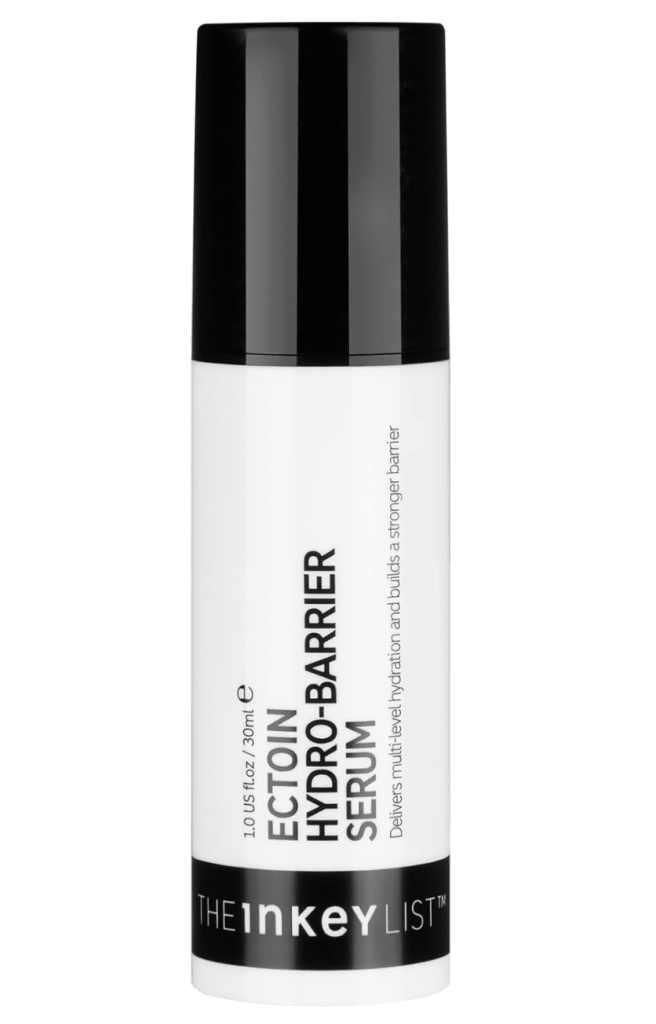
You know I like to focus on budget-friendly skincare products for the most part, so I knew I needed to include this Inkey List new(ish) launch.
The Inkey List Ectoin Hydro-Barrier Serum works really well in my opinion. It’s fairly simple, and it uses ectoin, which is an ingredient you pretty much can’t go wrong with. Overall, I really recommend this protective barrier serum to anyone with pretty much any skin type.
8. Dermatica Daily Hydration 5HA+Cica Serum
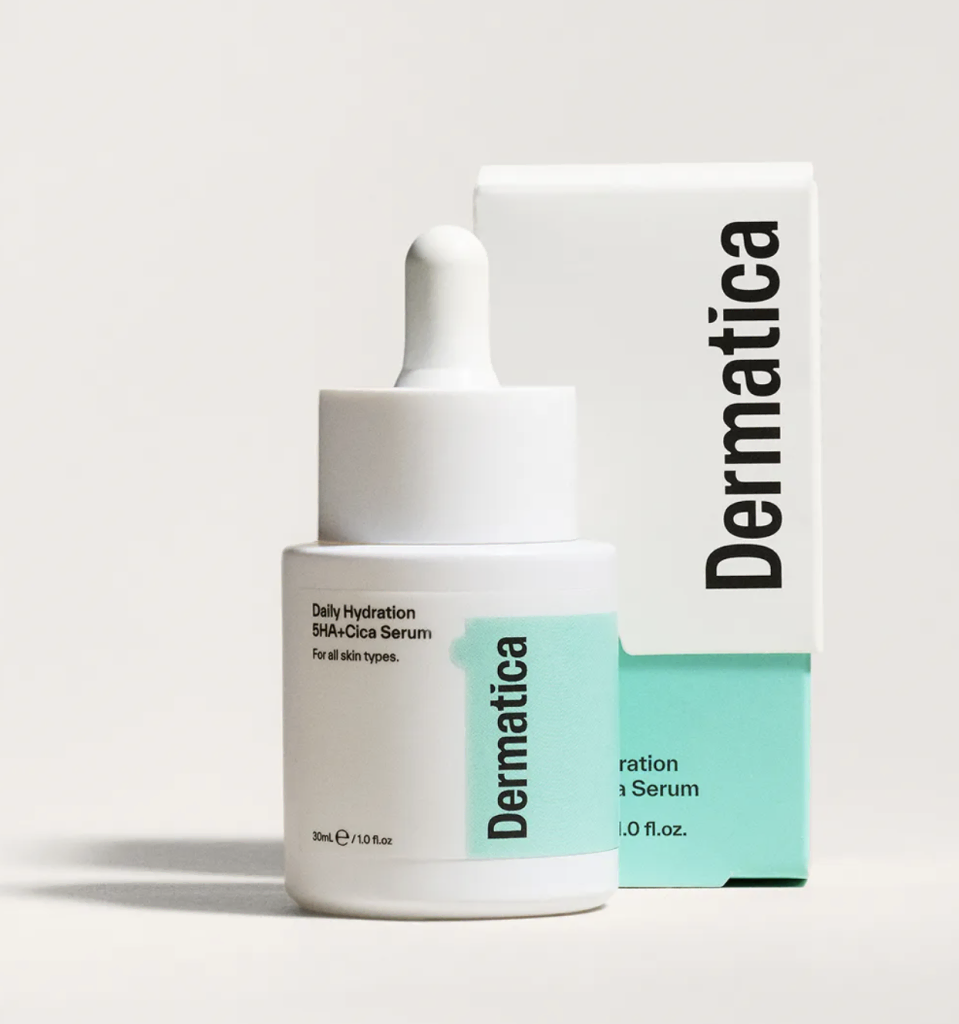
I just love Dermatica’s whole OTC range, to be honest. I much prefer them to Skin&Me’s formulas, and I go into more detail on this in my Dermatica v Skin and Me comparison.
This Dermatica Daily Hydration serum combines five types of hyaluronic acid with centella and niacinamide. It’s ideal to repair and protect your skin barrier on a daily basis, without using an overwhelming barrier restore cream that may cause breakouts, like Cicaplast, for example.
You could use this every morning, every night or both! I use my Purito serum (old formula) every morning and night.
9. Cetaphil Repair & Renew Serum

If your skin barrier is feeling stressed, irritated, or just generally not happy, the Cetaphil Repair & Renew Serum is a really solid option.
It’s designed specifically to help repair the skin barrier overnight while also keeping the skin hydrated and calm. The formula includes ingredients like hyaluronic acid, pro-vitamin B5, cica, and bifida ferment, which all help support the skin barrier and reduce irritation.
It’s also fragrance-free, non-comedogenic, and made for sensitive skin, so it’s one of those products that feels very “safe” when your barrier is compromised.
10. Erborian Centella Red Serum

The Erborian Centella Red Serum is specifically designed to calm redness and support a damaged skin barrier at the same time.
If your skin is looking red, or generally angry, this is such a nice serum to have in your routine.
The formula uses Centella asiatica, bisabolol, and ectoin, which are all ingredients known for soothing irritation and helping the skin recover.
11. Haruharu Wonder Black Rice Hyaluronic Toner

The Haruharu Wonder Black Rice Hyaluronic Toner uses fermented black rice extract, hyaluronic acid, beta-glucan, and bamboo shoot extract to help keep the skin hydrated, calm, and less reactive.
I also really like that this version is fragrance-free and alcohol-free, because when your skin barrier is compromised, those are usually the kinds of things that start causing irritation.
The texture is super lightweight and watery, but it still feels really nourishing on the skin, which makes it easy to use every day.
Final Thoughts on Skin Barrier Repair
If your skin has been feeling more sensitive, having more breakouts, or just not right lately, there’s a good chance your skin barrier needs a bit of attention.
The main thing to remember is that repairing your barrier isn’t about doing more; it’s about doing less and doing it consistently. Strip things back, support your skin properly, and give it time to recover.
Barrier repair products can make a huge difference, but they work best when you’re not overloading your routine with actives at the same time.
And honestly, even if your skin feels fine, using a barrier serum regularly is one of those things that just keeps your skin balanced and healthy long-term.
If you’d like to hear more of my opinions and product recommendations, follow me on TikTok and have a read of my Substack.
You Might Also Like:
- The best oil cleansers for acne-prone skin
- The best moisturisers for clog-prone skin
- Best azelaic acid products for acne-prone skin
- Sensitive skincare routine for beginners
- Is niacinamide good for dry skin?


Hi. Love your content both here and on Tiktok!
I was just wondering how to layer skin barrier repair serum with hyaluronic acid and vitamin c in the morning and/or with retinol in the evening?
Thank you 🙂 Good question! It’s quite easy. You can apply it before or after in the AM, and after retinol in the evening. Key thing to remember is that, assuming its a serum and not a thicker cream, you can pretty much apply it whenever because it doesn’t matter *too* much xx
Hi, love the blog, but why is the purito centella unscented serum not on the list?
🙂
Hey, good Q! So I used my linktree to create the post and, because the purito is in a different section of my linktree (my ‘my routine’ section), I forgot to add it. I will add it now, thank you for spotting. My plan is to add all the pages and then go back and extend the lists xx
hi i was wondering if you use any vitamin c ? or ahas/bhas. i have textured skin with quite a few dark spots and my skin is dull. or do you believe tretionin or retinol would fix that?
Hey. Currently I don’t use vitamin C but that doesn’t mean others all shouldn’t. I also don’t use AHA/BHA regularly. Retinol should improve all of the concerns you mentioned, yes x
The day after I use retinol (cerave) some of my products sting a little, do I need to quit using it until nothing stings? Just got the ordinary barrier serum
Maybe just slow down a little instead of stopping entirely. Give yourself a few days off of the retinol, then resume and use it every other day, for example. Also make sure you’re using a barrier serum to protect your barrier! x
Hi, I love these recommendations! I never thought of using a skin barrier serum until I saw your TikTok video! My skin barrier isn’t damaged, but I’ve been breaking out a little more than usual. I want to try either the COSRX Centella, Beauty of Joseon Glow Serum, or the Aveeno serum. I was just wondering if I can use any of these with vitamin C in the morning and how to layer them. Thank you!