This site contains affiliate links. I may earn a small commission, at no extra cost to you.
If you’ve heard friends or influencers talk about facials, you might be wondering what they’re actually for. Are they just a trend, or do they have real skin benefits?

The truth is somewhere in the middle. Facials do feel amazing and give you an instant glow, but they’re far from a miracle treatment. They support your skin, yes, but they won’t replace a consistent and strategic skincare routine. They also won’t cure acne, which I know a lot of people try them for.
So if you’re thinking about booking one, it helps to understand what they do and what they don’t. Today, I’m breaking down what a facial is, why people get them, and how to prep for the best results.
What is a facial treatment? What you need to know before booking one
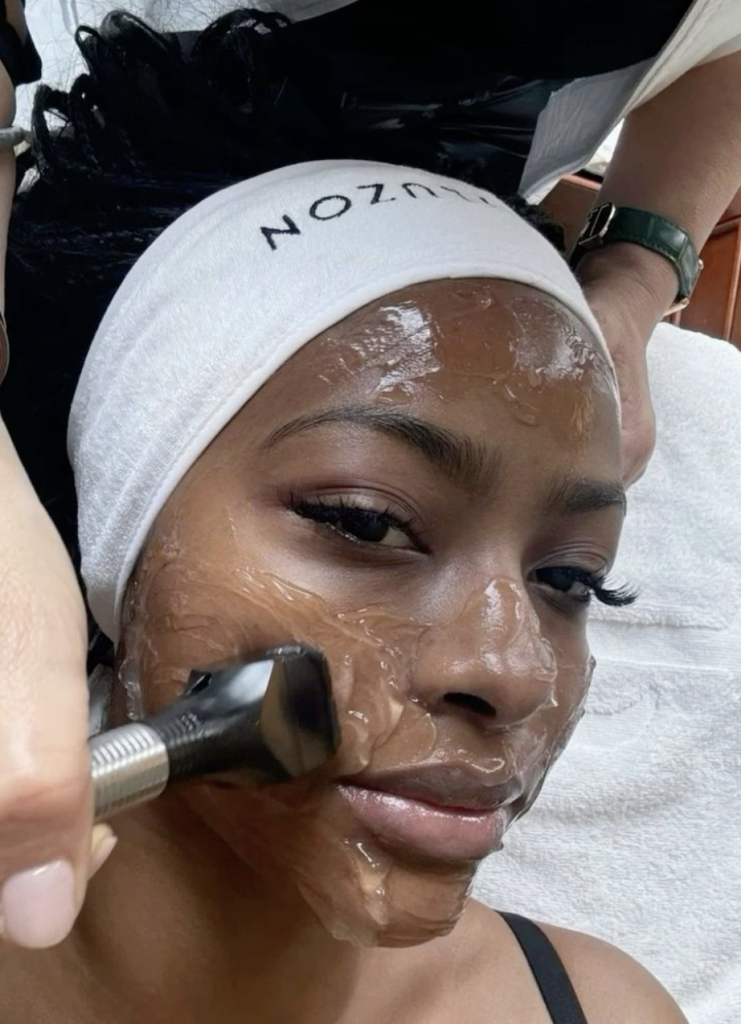
A facial is a professional skincare treatment that gives your skin a quick refresh. It usually involves cleansing, exfoliation, extractions, and a mask. Some more expensive facials include a massage, steam, and light therapy.
Above all, a facial gives you an instant, but temporary, glow. It’s great for a quick hydration boost and some light exfoliation a few days before a big event or special occasion.
Just don’t rely on it for long-term results, or to completely change your skin in one sitting. That’s what your daily skincare is for. But if you are thinking about booking one for a relaxing spa treatment or temporary glow-up, here are the different types of facials you’ll find:
What are the different types of facials?
- Classic facial: Cleanse, exfoliate, extract, mask, moisturize
- Express facial: A quick version of a classic facial; usually just cleanse, exfoliate, mask, and go. For more info, read my post “What is an express facial?”
- Hydrating facial: Focuses on moisture and calming ingredients
- Acne facial: Targets congestion with exfoliation, steam, and extractions
- Chemical peel facial: Uses acids (AHAs/BHAs) for deeper exfoliation
- Microdermabrasion facial: Device-based physical exfoliation
- LED facial: Red or blue light to reduce inflammation or breakouts
- Oxygen facial: Pressurized oxygen + hydrating serums for instant plumping
- Dermaplaning facial: Removes dead skin and peach fuzz with a scalpel
- Anti-ageing facial: Massage, peptides, and firming treatments
- Lymphatic facial: Gentle massage for circulation and de-puffing
- Hydrafacial: A device that cleanses, exfoliates, extracts, and infuses serums. For more on this one, read my post on the difference between hydrafacials and other facials
Are facials good for all skin types?

Facials are generally good for all skin types. However, with so many types of facials, it’s important to understand that your skin may not respond well to all of them.
Here’s a helpful guide:
- Oily or acne-prone skin: This skin type benefits the most from extractions and light exfoliation. However, a professional facial won’t help much with acne breakouts.
- Dry or sensitive skin: For reactive and dry skin, you need gentle products and calming ingredients. Strong acids or aggressive steaming will make things worse.
- Combination skin: If you have combination skin, you can usually tolerate any balanced, hydrating treatment.
Before your facial, talk to your aesthetician. Give them information about your skin type and current concerns so they can tailor the treatment to your goals. If you feel like you’re being forced to get one particular type of facial or they only offer one type and insist it’s perfect for you, don’t feel obliged!
What are the benefits of a facial treatment?
Self-care and relaxation

Honestly, the biggest benefit of a facial is the fact that it’s relaxing. Even if it’s not super beneficial for your skin goals, if you like the way it feels, keep booking your appointments.
Just make sure you’re listening to your skin to ensure you’re not overdoing it and potentially worsening skin concerns. I personally don’t get facials often because my skin reacts poorly to a lot of new products, so getting them can actually make my skin worse! You have to think logically like this about facials, because they’re not a magic wand or silver bullet.
If your skin rarely reacts to anything and you don’t have acne, you should be fine getting most facials – I’m jealous, honestly!
Deeply cleanses the skin

The marketing around facials makes them sound like they flush every impurity out of your skin. In reality, the cleansing process is not dramatically different from what you already do at home.
The aesthetician does use professional cleansers and exfoliants to remove makeup, SPF, oils, dead skin, and general buildup. Their technique and trained eye are helpful, but it’s not some miracle cleanse – just a more thorough version of your usual routine. A hydrafacial, for example, might use a tool to suck gunk out of your pores.
Provides professional exfoliation

Here’s where facials can outshine what you do at home. Aestheticians have “professional-grade” exfoliating products and techniques that are a step above your over-the-counter exfoliants. Professional grade is a term I don’t love, however, because it’s kind of like a made-up category BUT it is a little different:
They may use an enzyme, a mild AHA/BHA, or a physical process like microdermabrasion to remove dead skin cells. This helps clear pores and smooth out texture.
However, this isn’t the same (or as strong) as a clinical peel or a prescription treatment. It won’t outperform your tretinoin or adapalene if you use it daily for months to years.
Boosts hydration levels
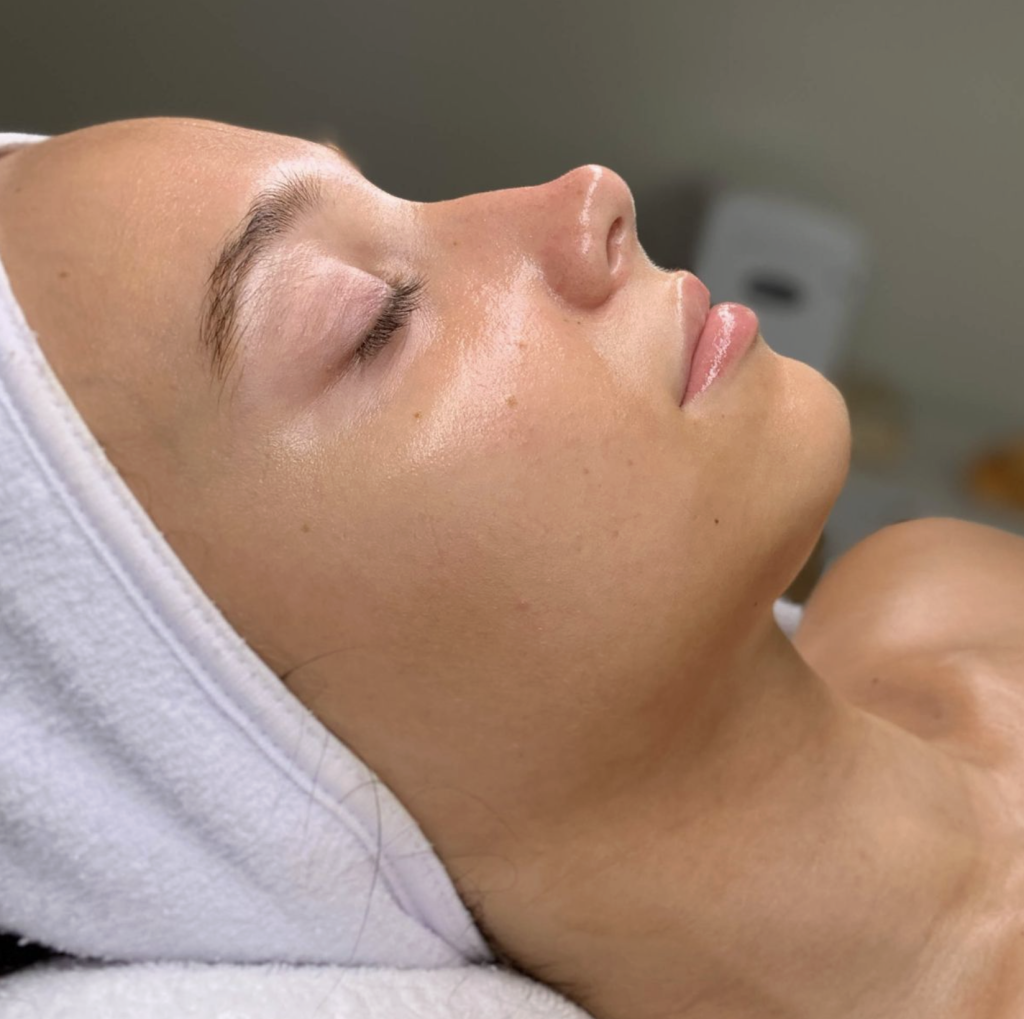
After the professional exfoliation process, your skin is more receptive to moisturising products. So the masks, serums, and creams the aesthetician applies give you a good boost in hydration.
And that glowy final look you get after a facial usually comes from an occlusive product applied at the end, as well as the exfoliation. It traps in water and all the hydrating ingredients for that plump, dewy finish.
Like with all the other benefits, there are no long-term effects on skin health. It’s just a short-term surge in moisture that makes you look and feel refreshed. However, I honestly believe that you can achieve this at home with your daily routine, you just have to perfect it.
Brightens and evens skin tone

Facials brighten and even the skin tone, mostly through light exfoliation and increased hydration.
When dead skin cells are removed, the fresh layer beneath reflects light better. This makes your skin look clearer and more radiant.
Plus, the hydrating benefits can soothe your skin and calm inflammation. So, if you deal with redness, a facial could help. It doesn’t correct pigment, but it helps temporarily treat the issue causing the flushed appearance.
However, if you have reactive skin, your facial could worsen your skin discolouration. Intense products or techniques can create a lot of friction or irritation, making your face look red and swollen. It’s best to avoid facials if you have melasma, for example.
Temporarily smooths fine lines and wrinkles

If you’re hoping facials are the key to erasing fine lines and wrinkles, you’ll be disappointed. However, they can briefly mask these signs of ageing.
They do this by flooding your skin with moisture. When your skin is well-hydrated, it looks plumper. This smoothes and tightens fine lines, wrinkles, and sagging. It’s a noticeable effect, but it’s short-lived. This is how hylauronic acid works.
What happens during a facial treatment?
- Skin Analysis: Your aesthetician will assess your skin type and identify skin concerns.
- Deep Cleansing: They cleanse your skin thoroughly to remove makeup, oil, and impurities so the treatment can work more effectively.
- Exfoliation: They apply a gentle chemical, enzyme, or physical exfoliant to remove dead skin cells and smooth your skin’s surface. Not all facials include this but most do.
- Steam: Warm steam is used to soften your skin, making extractions easier and more comfortable. Not all facials include this but most do.
- Extractions: Your aesthetician removes blackheads, whiteheads, and buildup from your pores using professional techniques. Most facials don’t include this so make sure you ask.
- Treatment Masks: A targeted mask – hydrating, calming, brightening, or clarifying – is applied based on your skin’s needs.
- Serums: They layer concentrated serums to deliver active ingredients and boost results.
- Facial Massage: The aesthetician performs a relaxing massage to increase circulation, reduce puffiness, and help products absorb better.
- Moisturiser: A nourishing moisturiser is applied to support your skin barrier and lock in hydration.
- SPF: If your facial is during the day, often the treatment ends with sunscreen to protect your freshly treated skin – or they might tell you to apply yours.
How to prepare for a facial appointment
Don’t use any strong treatments for at least two days before
You want your skin to be calm and stable when you go into your appointment. So skip strong actives and skin treatments like retinoids, exfoliants, and azelaic acid that could cause any irritation.
Even if you don’t have a specific skin type that makes your face more reactive, strong skincare treatments right before can cause burning or redness. It could also prevent you from getting your desired final look, making the whole thing kind of a waste.
Avoid any hair removal processes on the day of

Hair removal can make your skin more sensitive come time for your facial, just like strong treatments do. No matter the hair removal method, it creates some level of irritation – even if you don’t feel it.
Add a facial on top of that, and your complexion will likely be red and inflamed by the end of it. Give yourself at least a day to recover so the treatment doesn’t overwhelm your already stressed skin.
Don’t wear any products or makeup to your appointment

You also don’t want to wear makeup or heavy skincare products to your appointment. It’s just pointless because your aesthetician will just have to scrub it off. Save your products and their time.
There’s also a slim chance that leftover products can react with professional formulas and cause sensitivity. Starting with bare skin helps the treatment work properly and can prevent any potential negative reactions.
Stay hydrated and don’t skip any meals
It’s rare, but if you’re dehydrated or haven’t eaten, you could get dizzy and lightheaded during your facial, especially if you’re also getting other spa treatments. To avoid this, never book a treatment on an empty stomach or without proper hydration.
This is especially true if your facial includes steam or massage! So, make sure you drink plenty of water and eat a normal meal beforehand to help you stay relaxed and healthy.
Be ready to communicate with your aesthetician
Your aesthetician will probably ask you plenty of questions about your skin before starting. (If they don’t, that’s a big facial red flag.) Be ready to answer and communicate anything that might be important for her to know.
Also, speak up if something stings, feels too hot, or makes you uncomfortable. Those sensations aren’t normal and usually mean your skin isn’t reacting well to the treatment.
Clear communication helps ensure you get the results you want from your facial – not a red, inflamed mess.
Facials feel good, but offer only temporary skincare benefits.
Facials aren’t a miracle solution. You don’t need to schedule them regularly like you would a haircut, dentist appointment, or a spray tan. Chronic acne is very unlikely to be solved by facials, so I’d spend your money on seeing a dermatologist instead, if that is your concern. Check out my guide on When to See a Dermatologist for Acne.
Stick to a good routine to reach your skincare goals. To help you build a strategic system that supports your skin long term, read these posts next:
- How to create a Korean skincare routine for acne-prone skin
- Sensitive skincare routine for beginners
- How to use retinol for beginners: step-by-step guide