This site contains affiliate links. I may earn a small commission, at no extra cost to you.
In terms of skincare, more doesn’t equal more. Continually adding products to a routine won’t make it better or more effective.
So, unlike other skincare influencers, I’m not going to sell you on a 12-step routine. Instead, I’ll always encourage you to be highly selective and intentional with your product selection.

Toner is a popular tool in most skincare routine templates. However, I personally don’t consider it essential for everyday use – though I do think it has its place.
In this post, I’ll explain my views on toners and how they should really be used to support your skin goals.
What does toner do for your skin and is it necessary?
A skincare routine can be pretty simple: Cleanser, treatment, eye cream, barrier serum, moisturiser, and SPF. But where does toner fit in?
What is a toner?

Face toner is a lightweight liquid skincare product that can be used to prepare your skin for the rest of your routine, but usually just add hydration. There are a lot of versions out there to choose from, each contains specific active ingredients to address different skin issues.
Dehydration and surface buildup can prevent your serums and moisturisers from absorbing properly, making them a little less effective at times. A toner helps correct these issues so your products can work more efficiently and bring you closer to your skincare goals (depending on the ingredients, of course).
And if you always believed toners were to ‘balance your skin pH‘, think again. That information is now quite dated. Modern cleansers are already pH-friendly. So, current toners on the market took on a different purpose, targeting specific skin concerns. This is why I don’t think they’re essential, because they’re effectively doing the same job as serums – just in a more watery format.
Is toner needed for skincare?

No, you don’t need to treat toner as a non-negotiable just because you see them on social media all the time. Only use it when you’re trying to solve a specific problem – and always take your skin type into consideration.
Using a toner without a clear purpose will, at best waste, your money and, at worst, irritate your skin. Most toners don’t contain particularly potent ingredients, but anytime you’re layering actives, there’s still a risk of sensitivity.
Start by identifying your skin concern, then choose a formula that actually meets your needs. Each toner supports a different aspect of skin health, meaning these are the main types you’ll see on the market:
- Hydrating Toner
- Exfoliating Toner
- Soothing Toner
- Clarifying Toner
- Brightening Toner
- Barrier-Repair Toner
A lot of them can target multiple skin concerns in one.
What does a skin toner do? Top toner benefits
Hydrates and replenishes moisture

Hydrating toners add a lightweight layer of moisture using humectants like glycerin, panthenol, or hyaluronic acid. These formulas are helpful for anyone managing dry, tight, or sensitive skin.
If hydration is your goal, some good options are Haruharu Wonder Black Rice Hyaluronic Toner or Beauty of Joseon Glow Replenishing Rice Milk Toner.
Clarifies pores and refines texture
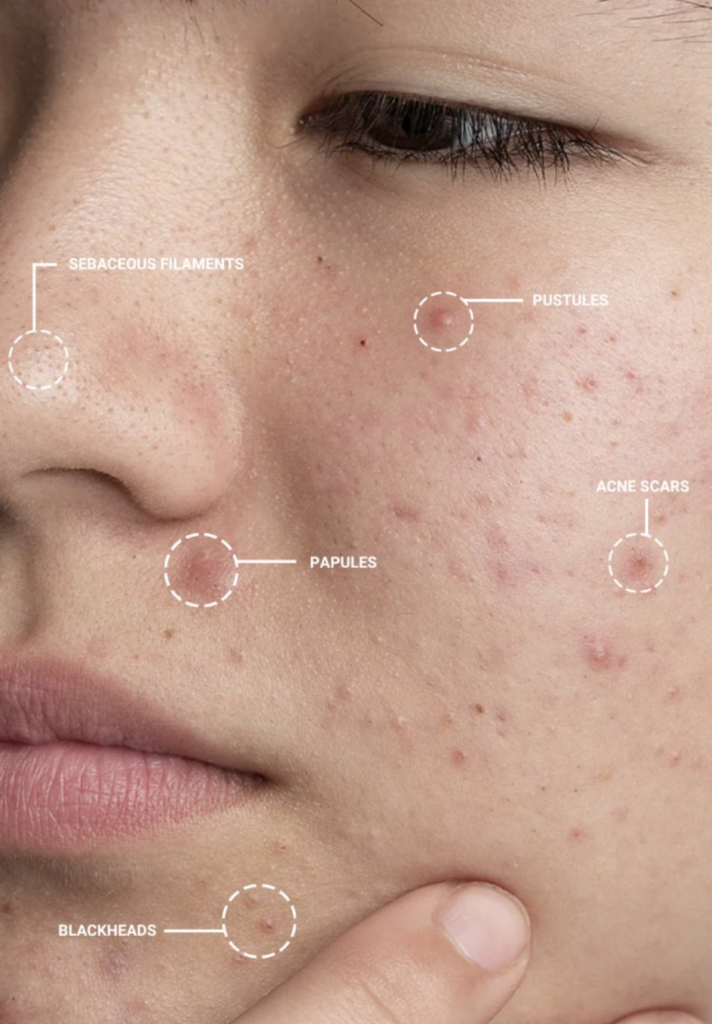
Exfoliating toners include alpha hydroxy acids (AHAs) or beta-hydroxy acids (BHAs). Both break down the bonds that keep dull, dead skin cells stuck on your face. When toners remove dead skin, they unclog pores, smooth rough texture, and boost skin renewal, resulting in a brighter, more even complexion.
If you use one of these toners, definitely don’t reach for it every day. AHAs and BHAs can be strong and may overdry or irritate your skin with overuse. Stick to 2–3 times per week, using one of these exfoliating toners, for example:
- The Inkey List PHA Toner
- The Ordinary Saccharomyces Ferment 30% Milky Toner
- Beauty of Joseon Green Plum AHA/BHA Toner
- Krave Beauty Kale-Lalu-yAHA Glycolic Acid Toner
Soothes redness and irritation

Soothing toners include anti-inflammatory and hydrating ingredients to ease irritation and hydrate your skin. They usually include ingredients like centella, green tea, aloe vera, ceramides, or beta-glucan to get redness under control.
Etude House SoonJung pH 5.5 Relief Toner, for example, has lots of helpful ingredients – like green tea, panthenol, and glycerin. It’s a good choice if you’re battling redness and irritation.
Repairs and strengthens the barrier

Barrier support is an underrated skincare step. A healthy barrier keeps irritants out and locks hydration in. However, it can be broken down by friction, harsh products, and environmental stressors.
To build it back up, you can use a barrier-repair toner like haruharu Wonder Black Rice Probiotics Barrier Essence. I have yet to try this exact toner so I’m not sure if it breaks me out, but if it doesn’t it has a wonderful ingredients profile to build your skin barrier back up. This will help strengthen the moisture barrier and make other supportive products seem more effective in the long run.
Fights breakouts and reduces acne

Clarifying and exfoliating toners can sometimes help manage acne-prone skin by keeping pores clear and reducing buildup. But honestly, I don’t find the majority of toners to be very acne-friendly due to their, more often than not, long list of ingredients.
Sometimes, by removing excess oil, breaking down congestion, and calming inflammation, toners can address some of the conditions that lead to new breakouts. However, they’re not nearly as effective as other products in my opinion.
Here’s how to create a Korean skincare routine for acne-prone skin if you’re wondering how to put together a whole Korean skincare routine, for example.
How to use a toner on skin
Decide if you even need a toner

Before purchasing a toner, make sure you actually need one. Honestly, if you have a solid skincare routine, toners won’t often be necessary.
That said, there’s a time and place. If you’re dealing with a chronic skin issue you can’t seem to shake, adding a toner could make a difference. And, truly, it’s just a preference thing.
I would consider using a toner if I were dealing with any of the following issues:
- A weakened or irritated moisture barrier
- Persistent redness or sensitivity
- Bumpy texture or dullness (but I find a retinoid the most powerful for closed comedones)
- Uneven skin tone or lingering post-acne marks
- Skin that feels stripped after cleansing
- Dehydrated or tight-feeling skin
Find a toner that matches your skin’s needs
Once you’ve identified your main concern, choose a toner that actually targets it.
Hydrating formulas are best for dryness and tightness, exfoliating toners help with texture and congestion, and soothing toners calm redness or irritation. You get the idea.
Don’t grab whatever’s trending – pick the formula that solves your problem.
Apply it right after cleanser

Always apply toner to your skin after cleansing and before thicker products. To put it on, use your hands instead of a cotton pad to avoid unnecessary friction and product wastage.
Then, gently press it into the skin and let it mostly absorb (damp is best, you don’t need it to fully dry). From here, carry on with the rest of your skincare routine.
Don’t overuse it
Be mindful of the type of toner you’re using. Hydrating toners are designed for daily use, even twice daily! Exfoliating or clarifying toners, however, are much stronger and should only be used a few times per week.
Using them more often than intended can cause irritation, dryness, or barrier damage. This is especially true if your skin is already sensitive or you’re already layering other actives in your routine.
Pay attention to how your skin responds
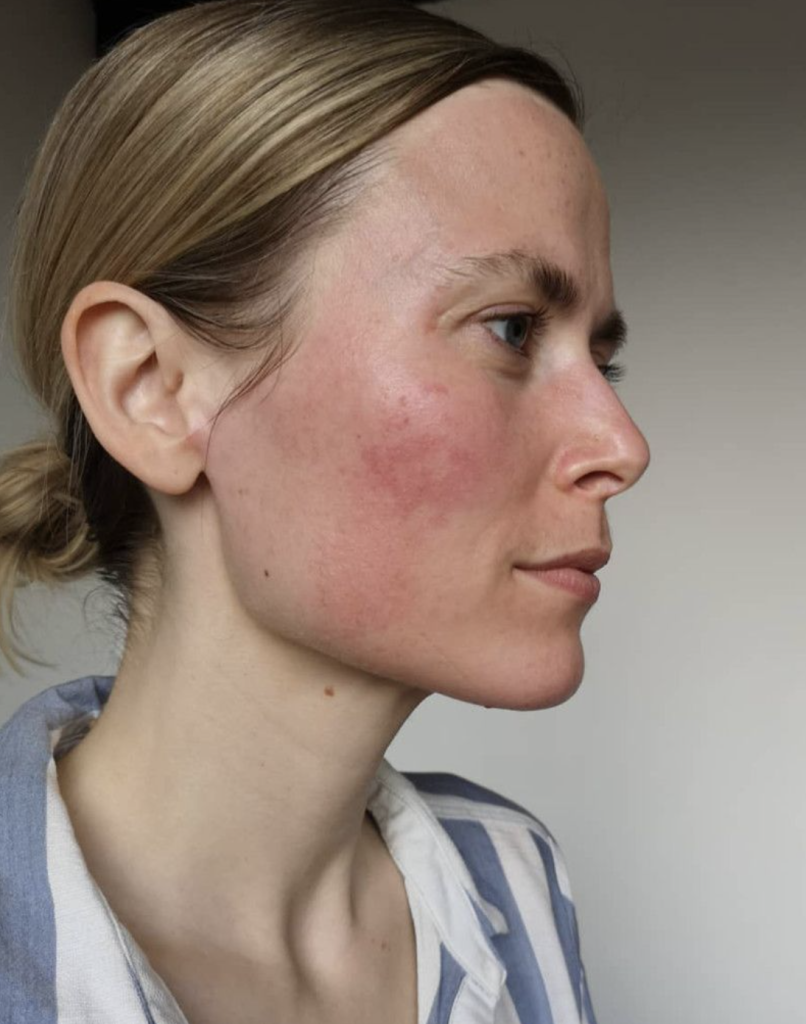
Your skin will tell you if a toner is working. If you notice increased redness, tightness, stinging, or breakouts, scale back or stop completely.
Toner should make your routine feel smoother and more effective – not introduce new issues to mange. If it doesn’t work for you, give it to a friend who might love it.
Toners aren’t essential to your skincare routine, but they can be beneficial in certain circumstances.
When building a skincare routine, it’s best to avoid trends. Stick to the tried-and-true methods that really work, and carefully consider each added product.
For more skincare advice and guidance like this, browse my blog, follow me on Instagram, and check out my TikTok. And, if you found this helpful, read these posts next: