This site contains affiliate links. I may earn a small commission, at no extra cost to you.
Sunscreen is one of the most important steps in your skincare routine. Proper sun protection prevents damage, slows the signs of aging, and keeps your skin looking healthy and radiant.

However, SPF can sometimes cause problems for those with acne-prone skin. The formulas are known to clog pores and trigger breakouts.
However, this doesn’t mean you should just skip sunscreen if you’re acne-prone. Though some sun creams may aggravate breakouts, sun damage is just as bad (or even worse) for acne. It can be a vicious cycle trying to find something that won’t break you out, or feeling guilty not wearing the sunscreen.
An acne-fighting skincare regimen must include SPF to truly be effective. So, you need a sunscreen that will protect your skin without clogging pores.
In this post, I’ll give you some of my favourite sunscreens for acne-prone skin. That said, understand that what works for my skin may not work for yours. These are simply my recommendations based on personal experience:
Best sunscreen for acne-prone: lightweight daily protection
Before I list my top SPF options for acne-prone skin, I want to explain what this skin type actually is and why it needs special care. Then, I’ll break down how to choose the right SPF from the list that works best for your skin.
What is acne-prone skin?
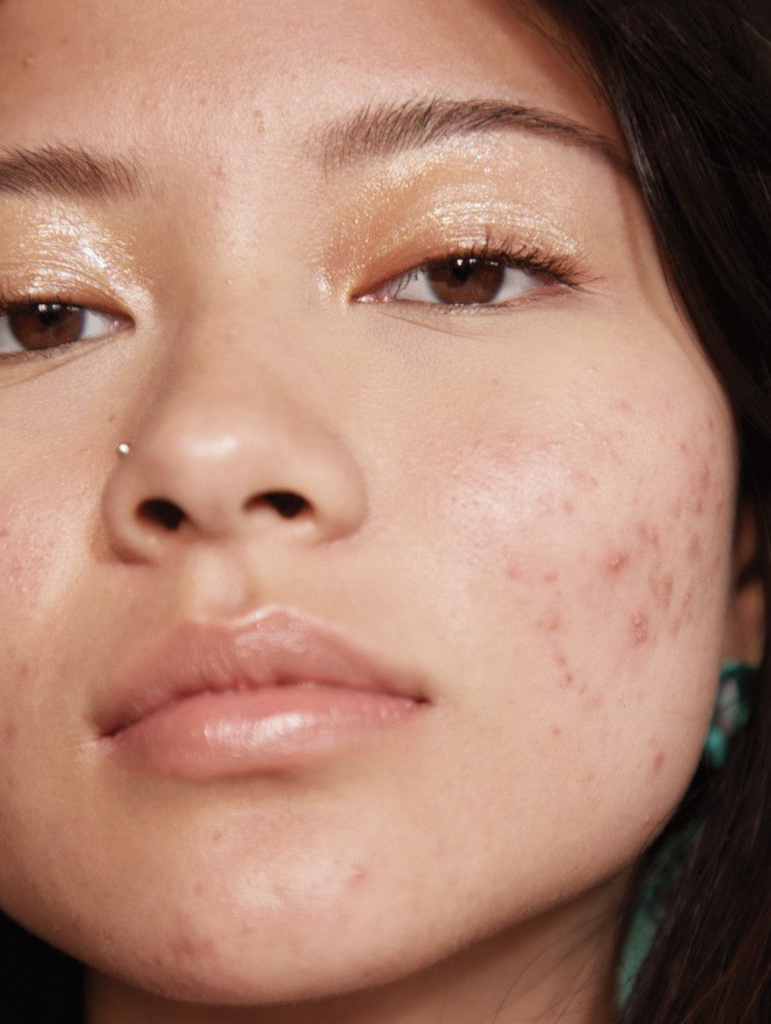
If you have acne-prone skin, it means you’re more likely to develop clogged pores and breakouts.
Usually, that’s because your skin produces a lot of oil, doesn’t shed dead skin cells properly, or reacts more easily to certain ingredients (or all three!). The root issue can also be hormonal, usually it is.
Your skin isn’t “bad” if it’s acne-prone. It just needs a different approach and more strategic skincare ingredients – just as I discussed in my post, “The best sunscreen for clog-prone skin.”
You can also read my full post on how to create a Korean skincare routine for acne-prone skin for a comprehensive guide. But if you’re specifically trying to find a good sunscreen, here’s how to do it:
How to choose sunscreen for acne-prone skin
Avoid heavy, thick formulas

You’ve probably heard of the comedogenic scale. It’s often treated as a definitive way to know whether a product will or won’t clog your pores.
However, this ranking is really just about thelikelihood that something may clog pores. There are no ingredients that are guaranteed to be safe or guaranteed to cause breakouts for every person. Skin reacts differently from one individual to the next. Even ingredients that are ‘non comedogenic’ can break you out, unfortunately.
You can read more about my thoughts on this in my post titled “What If My Products Contain Pore-Clogging Ingredients?” But essentially, if a product is currently working well for you, don’t stop using it just because it contains a so-called ‘comedogenic ingredient’.
All that said, when it comes to sunscreens, it’s still a good idea to avoid heavy formulas. These textures are more likely to be occlusive and sit on the surface of your skin.
Usually heavy formulas do not play nicely with excess oil, which can clog pores and trigger breakouts. For the best chance at success, look for lightweight, gel-based sunscreens.
Choose SPF 30+ or higher

Most dermatologists recommend a baseline of SPF 30 for daily sunscreen. This level of protection is strong enough for everyday exposure here in the UK. (Though, you’ll want to go up to SPF 50 if you’re in a sunnier area.)
Anything lower than that isn’t consistent enough. SPF 30 may not sound like much, but it actually filters out about 97% of UVB rays. (The ones responsible for the most visible, cosmetic damage.) Also using lower than SPF30 is a bad idea because, on average, most people don’t apply enough sunscreen. So if you use less than SPF30 and don’t apply enough, you probably aren’t even getting 30!
If you’re swimming or sweating, reapply around every 30 minutes. Reapplication is essential for preventing sunburn and dehydration – all important for preventing acne breakouts and maintaining an even skin tone.
Don’t think mineral is always best
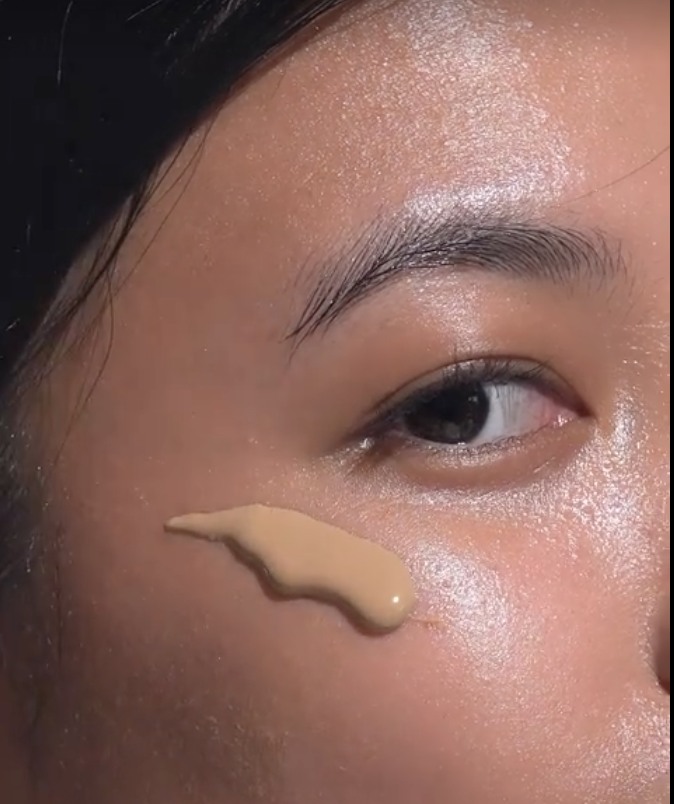
Companies market mineral sunscreens like they’re strictly physical sun protectants that are healthier for your skin and body. But is that actually true?
Not really. Many mineral sunscreens contain chemical stabilizers or hybrid filters, anyway. That means they end up functioning very similarly to chemical SPFs in a lot of ways.
Oftentimes mineral formulas can to be heavier, which can lead to clogged pores. This is especially true if you’re acne-prone. However it really depends on the sunscreen itself. Bottom line – mineral sunscreens are not automatically superior.
Then there’s the issue of white cast from zinc oxide or titanium dioxide. It’s not a huge deal if you have lighter skin, but those with darker skin tones often struggle to find a mineral SPF that doesn’t leave a grey, chalky finish. (Tinted sunscreens are out there, but they can still look off.)
That said, mineral sunscreens can be more soothing and less irritating for sensitive skin types. So if you can find one that blends well with your skin tone and doesn’t clog pores, it can be a good acne-friendly option.
Look for short ingredient lists
The shorter the ingredient list, the more likely a product is going to work for acne-prone skin.
When there aren’t 40+ ingredients, there are just less ingredients around to cause problems. Narrowing down potential triggers helps you refine your routine faster and choose products that actually support clearer skin.
Find SPF with added benefits
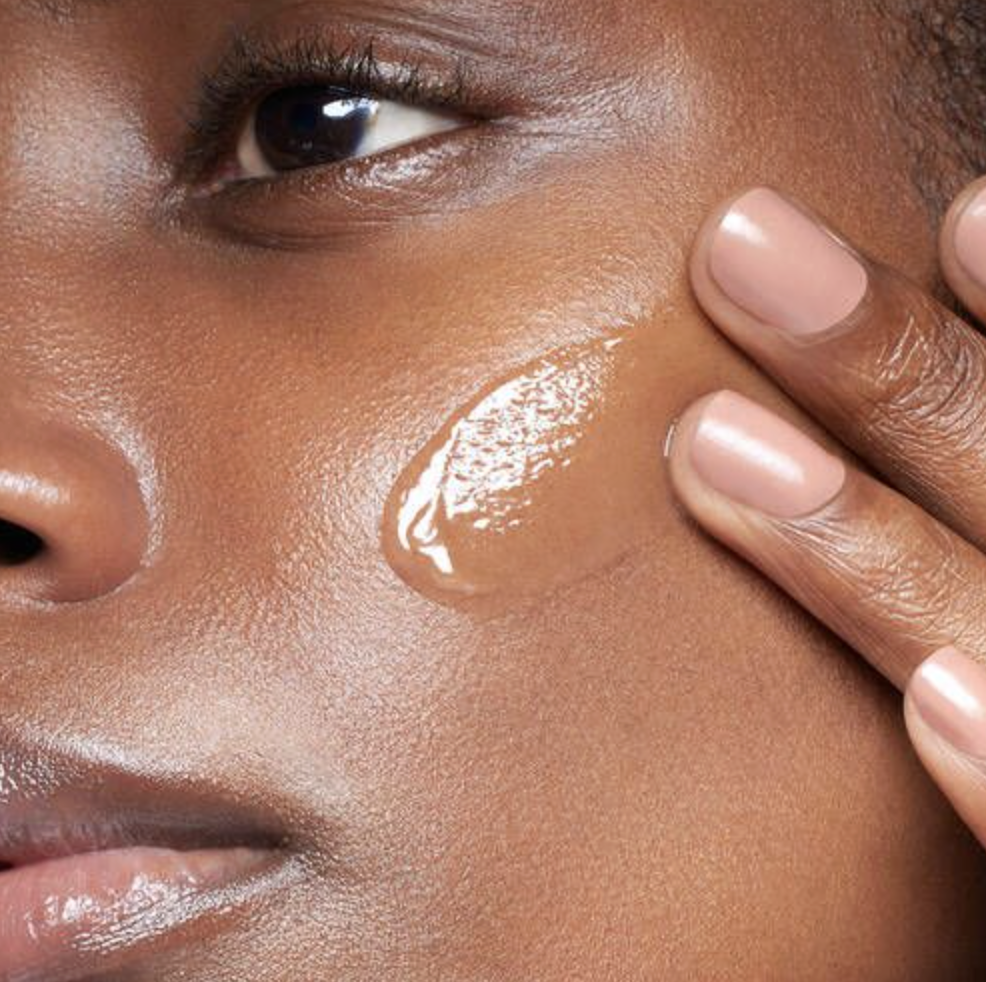
I know what I just said. But in addition to sun protection, it’s still a good idea to choose an SPF that offers some added hydration and skin barrier support.
A strong, well-hydrated skin barrier is less reactive, keeps out more acne-causing bacteria, and helps prevent excess oil production from over-drying.
Look for ingredients like niacinamide, cica, panthenol, hyaluronic acid, or glycerin in your SPF. You don’t want your products doing too much, that’s still true. However, a few thoughtful boosts can be incredibly helpful when you’re managing acne.
If your sunscreen doesn’t provide this, make sure you have a hydrating serum in your routine that you can wear underneath.
Ensure it suits your skin type

This part is moreso down to personal preference, but I find lightweight sunscreens that absorb quickly and don’t leave a greasy film are less likely to break you out.
Especially if you have oily skin, oil-free gels and liquids are going to suit you better. Light lotions for combination skin or most skin types.
Where it gets hard is if you have dry or sensitive skin because thicker, creamier formulas can be attractive but more likely to cause breakouts. Not always, but a little more likely. In this situation I recommend finding that ‘creaminess’ in other parts of your routine than sunscreen, so you still feel hydrated.
Of course, these rules aren’t guaranteed for every person. Always patch-test new products on a small area first – and pay attention to how your skin reacts over a few days.
If it feels heavy, looks too shiny, or leads to clogged pores, it’s not the right fit. The right sunscreen should feel invisible, comfortable, and never make your breakouts worse. There is no purging or adjustment period for a new sunscreen – if it breaks you out, it’s going to keep breaking you out.
Ask yourself if you’re willing to wear it every day
When it comes to skincare, preference matters just as much as the formula. If you’re not keen on a product -the texture, the smell, the finish, or how it wears under makeup – you won’t use it consistently.
So when you’re choosing a sunscreen for acne-prone skin, ask yourself if you’ll truly wear it every day. This also applies to reapplications that are necessary every couple of hours.
If the answer is no, find something else. You need a product that does its job and feels practical. And I promise there’s a sunscreen out there that will serve all your needs.
What type of sunscreen is best for acne-prone skin?
What matters most is choosing a sunscreen that feels lightweight, absorbs quickly, and won’t clog your pores. Usually and for most people this will be a gentle chemical sunscreen. It’s a lot harder to find nice mineral sunscreens.
However, as long as your chosen sunscreen wears well, protects against UVA and UVB rays, and keeps your skin calm and balanced throughout the day, it’s the right one for you.
What sunscreen is best for acne-prone skin?
(Mostly) mineral sunscreens:
ULTRA VIOLETTE Clean Screen SPF30 Sensitive Skinscreen

To be clear, I say (mostly) mineral because 99% of mineral sunscreens also have some chemical filters. However, I still find them to be better for my sensitive skin, even despite this.
This mineral sunscreen by Ultra Violette is one of my top acne-friendly mineral picks. It has a minimal ingredient list, so it’s naturally gentle. And, I’ve had great luck with its protection – no sunburns or tan lines while wearing it.
However, it does have more of a matte finish, which isn’t my personal preference. I tend to like something a bit glowier. That said, I do get a lot of compliments when I wear it, if a matte look is more your vibe.
Haruharu Wonder Black Rice Mineral Relief Daily Sunscreen
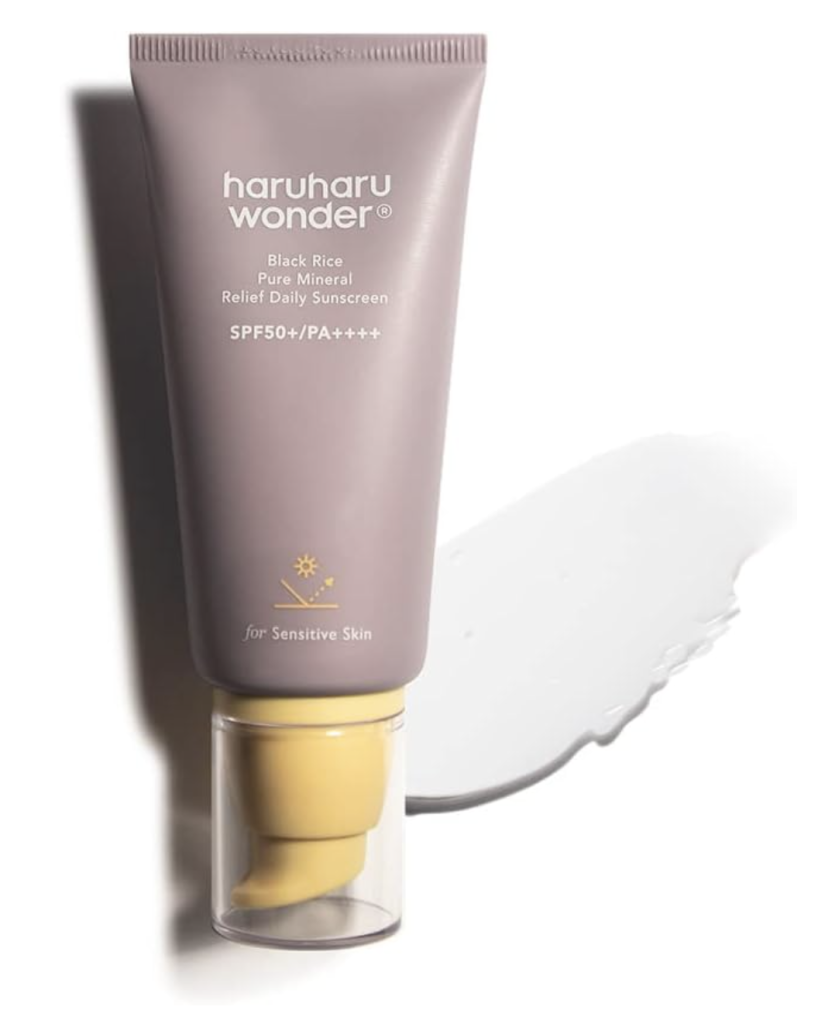
Here’s another mineral sunscreen option – this one’s Korean. While some physical sunscreens can be dreadfully chalky, this formula has a lovely texture that feels more like a moisturiser.
It’s not heavy or greasy, but it does have what Haruharu calls a “velvet” finish. I find that it absorbs well and offers solid sun protection.
And it’s not just the texture I enjoy. This sunscreen also includes barrier-supporting ingredients like heartleaf extract, niacinamide, and rice bran oil. Together, this combination is especially helpful for acne management and overall skin health.
Chemical sunscreens:
Purito Soft Touch Daily Sunscreen

If you appreciate a matte finish, this could be a great sunscreen option for you. It’s lightweight, layers well under makeup, and absorbs quickly without pilling. I find it looks dewy at first but quickly sinks right in. I would actually like it to be more dewy!
This daily sunscreen also has just the right amount of added ingredients. Along with its chemical UV filters, it contains panthenol, vitamin E, glycerin, and silica.
Together, these ingredients help calm irritation, strengthen your skin barrier, support healing, and keep your skin comfortably hydrated.
Paula’s Choice Youth-Extending Hydrating Fluid SPF 50
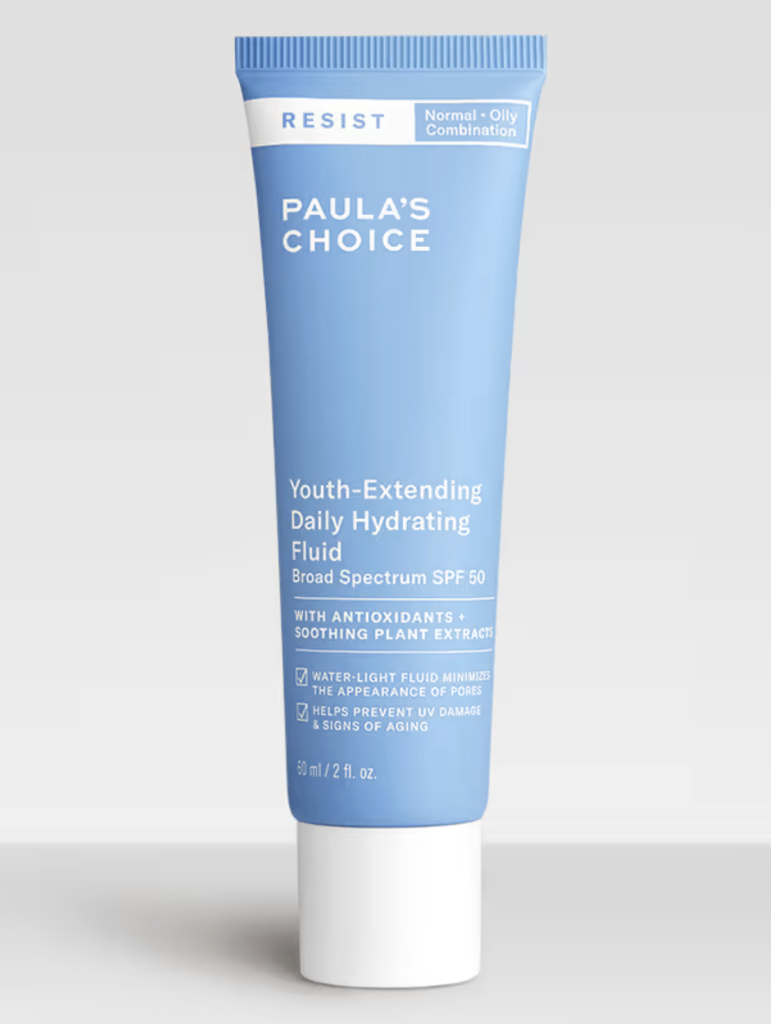
Many sunscreens have a moisturiser-like texture, which I personally prefer. But some people prefer a fluid-y consistency that sinks in immediately – and that’s exactly what this sunscreen feels like.
Because it’s so thin, it’s great for people prone to clog pores. The lightweight texture also makes reapplication easy, which is a huge win for daily use.
With SPF 50, it’s extremely reliable in terms of protection. I’d describe the finish as natural to soft-matte – not glossy, and definitely not greasy.
Beauty of Joseon Relief Sun Aqua-Fresh Rice + Probiotics SPF 50+

This Korean skincare brand makes a lot of popular sunscreens, but many of them can be triggering for acne-prone skin. However, this one feels like a good option for clog prone skin.
It offers SPF 50+ protection through 5 different UV filters. In addition to this, it also includes rice extracts, probiotics, niacinamide, and hyaluronic acid. It’s a formula that hydrates, calms inflammation, and strengthens the skin barrier.
Purito SEOUL Wonder Releaf Centella Daily Sun Lotion
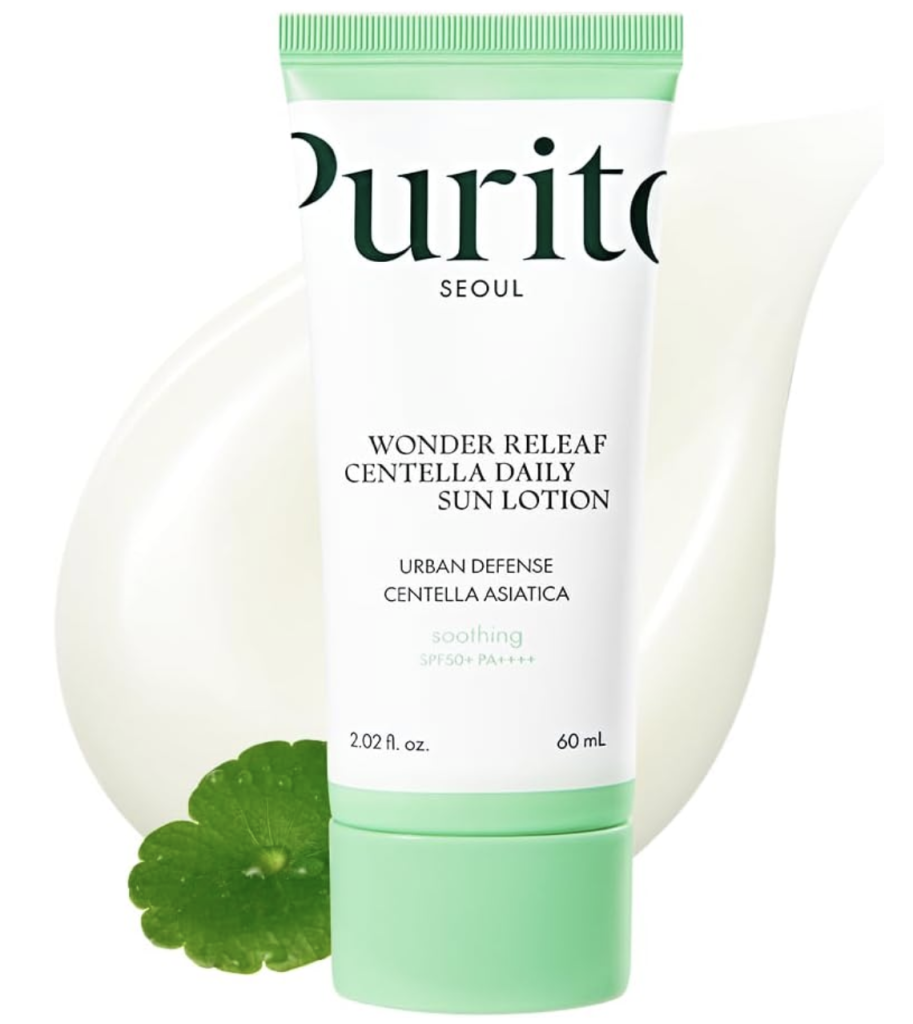
Here’s another sunscreen with added skincare benefits to protect against sun damage and breakouts.
Cica supports skin healing. Niacinamide helps regulate oil production and strengthens the skin barrier. Panthenol hydrates and calms irritation.
This is one of the most soothing options on the list, so if you deal with redness and irritation often, it could be worth a try. The formula is also super lightweight and easy to reapply, which makes it simple to incorporate into your daily routine.
Skin1004 Hyalu Cica Sun Serum
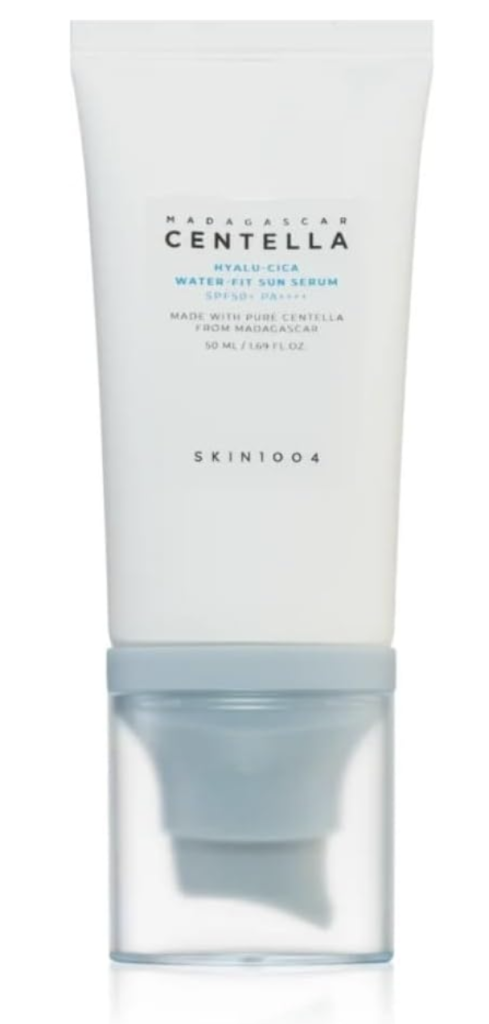
This sunscreen might be a slightly different texture than what you’re used to. It’s technically a serum, which means it feels almost weightless when you apply it. I’m not sure I agree it feels like a serum, I think it feels like a very light moisturiser.
Like the Beauty of Joseon option, it uses 5 UV filters for strong, reliable protection. It’s SPF 50+, making it perfect for daily use no matter the climate.
The gentle, soothing formula also includes beneficial ingredients like cica, hyaluronic acid, and niacinamide. And even though it’s a serum texture, it functions fully on its own as a sunscreen. You don’t need to layer anything on top. It’s a great sunscreen for people with sensory issues.
The best sunscreen for acne-prone skin is one that feels right and won’t clog your pores
Even if sunscreens in the past have caused breakouts, don’t give up on this step. There is no product in your skincare routine more important for your long-term skin health and appearance than sunscreen.
So, choose one of these products, try it for a while, and pick something else if it doesn’t work. Skincare is a lot about strategy, but it’s also a lot about trial and error. You’ll find a sunscreen that works well for you in no time. And don’t forget, professional help is also always available. Check out my post, “When to see a dermatologist for acne,” for advice and recommendations.
For more skincare content like this, browse the blog, follow me on Instagram, and check out my TikTok. There, you’ll find plenty more product recommendations and resources.


