This site contains affiliate links. I may earn a small commission, at no extra cost to you.
Published on 15/08/2024 & Updated on 26/03/2026.
Figuring out you have fungal acne in the first place is hard, let alone figuring out how to treat it!
So in this post, I’ll share the 20 best moisturisers for fungal acne and malassezia, based on my struggle with it in 2024.
First, I’ll discuss what fungal acne is and tell you my favourite moisturisers to help, then later in the blog post, I’ll share my personal tips for dealing with malassezia folliculitis.
What Is Fungal Acne on the Face?
Okay, let’s start with a quick reality check: fungal acne isn’t even acne.
I know. Annoying.
What you’re actually dealing with is a yeast, called malassezia, that lives on your skin and gets a bit… out of control. Instead of clogged pores like normal acne, this yeast irritates your hair follicles and creates those tiny, uniform bumps that look like acne.
And the biggest giveaway? Your usual acne products either do nothing… or make it worse.

That’s because you’re not dealing with bacteria, you’re dealing with yeast. So all your typical “acne-fighting” ingredients aren’t targeting the actual problem.
This is also why fungal acne can clear really quickly when you use the right thing. If you kill the yeast, the bumps calm down fast because there’s no longer anything irritating the follicles.
So if your skin suddenly went bumpy, isn’t responding to your usual routine, and looks weirdly uniform… there’s a good chance it’s fungal acne, not a breakout.
Do I Have Fungal Acne or Closed Comedones?
Fungal acne vs closed comedones can be difficult to tell apart.
However, I do think there are some easy ways to differentiate them:
Check if Your Acne Is on Your Forehead or Cheeks
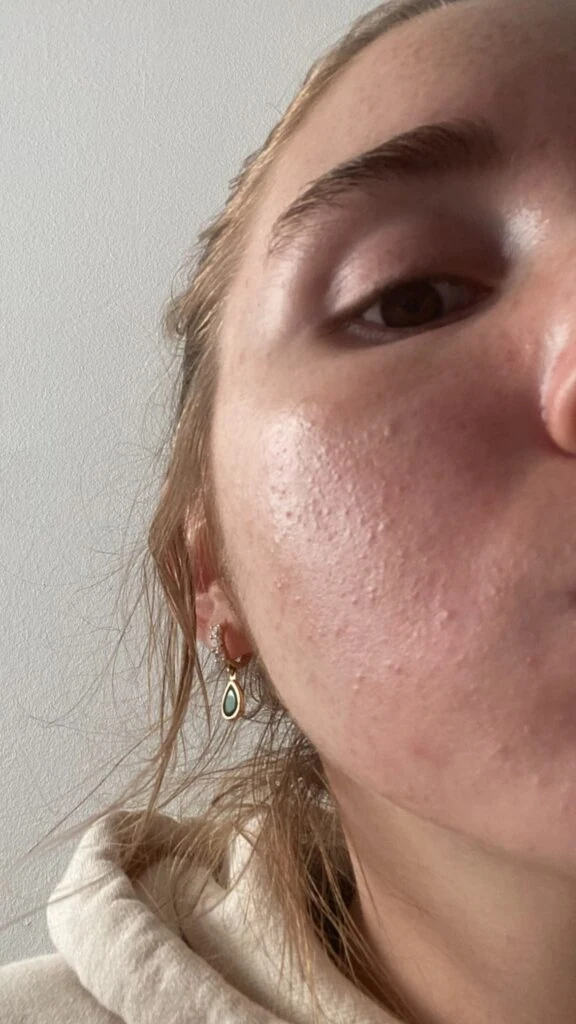
Fungal acne is super common on the forehead. Often it will only be on the forehead and nowhere else.
This doesn’t mean it can’t be elsewhere, just that it’s very common to only have it there.
Did It Come Out of Nowhere?
Closed comedones take a while to form, whereas fungal acne can literally appear overnight.
Luckily, this also means it can dramatically reduce overnight, whereas closed comedones can’t.
If you feel like the bumps on your face move and change quite a bit, it could be fungal.
Is It Irrated & Red?

Closed comedones are often not irritated; they just look kinda happy sitting there on the skin.
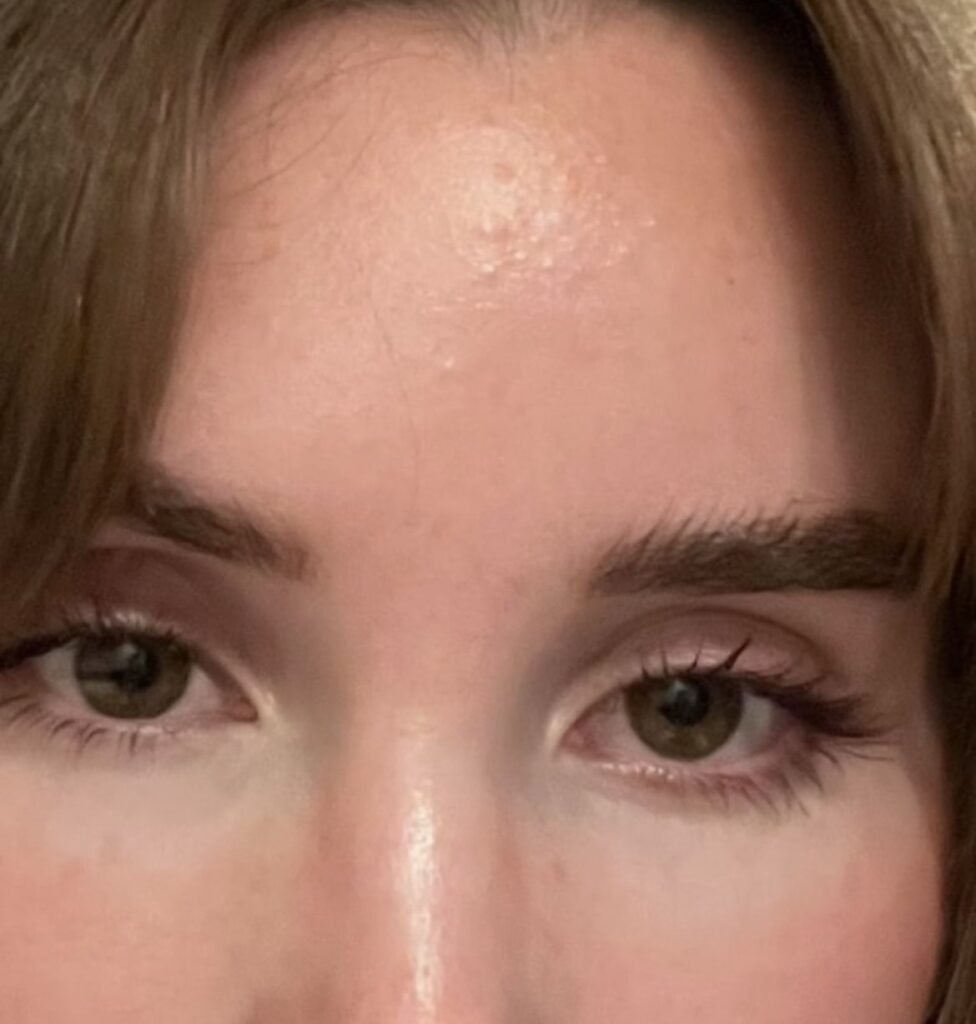
Pityrosporum folliculitis (fungal acne) is more commonly red bumps or bumps with a reddish background colouring.
They can also be mixed in with tiny, tiny whiteheads.
Overall, they appear ‘active’ or alive, or at least they do to me. Closed comedones feel kinda… dead or still?
Fungal acne can be itchy, but it is not always. I only find it itchy sometimes, and even then, it’s not overwhelming.
Acne Vulgaris vs Fungal Acne Look

Regular acne usually looks like a mix of blackheads, whiteheads, cysts and closed comedones.
Even hormonal acne is a more mixed bag than fungal acne.
Fungal acne usually consists of quite small, similar-looking bumps.
They’re often accompanied by some skin irritation.
What Is Fungal Acne Caused by?

Fungal acne is mostly caused by an overgrowth of yeast.
Sometimes, however, it’s simply your own body being irritated by normal levels of yeast in the skin.
Malassezia yeast is a type of microorganism that lives on our skin.
It’s normal for us to have yeast living on us, even if it sounds gross.
This is why the term ‘fungal infection’ doesn’t really make sense, as the yeast is supposed to be there.
Fungal acne occurs when this yeast either gets out of control or our skin is irritated by it.

Irritation due to yeast is actually what scalp dandruff is, which is why dandruff shampoos can improve fungal acne on the face.
Lastly, it’s important to note that fungal acne isn’t really true acne, so the name is a bit of a misnomer.
Best Moisturisers for Fungal Acne on a Budget
If you’re sick of spending too much on a fungal acne-safe moisturiser, consider these cheaper options.
Remember that price isn’t an indicator of quality with skincare!
Some of the links are affiliate links, meaning I may make a small commission should you choose to purchase something, with no cost to you.
1. Geek and Gorgeous Hydration Station
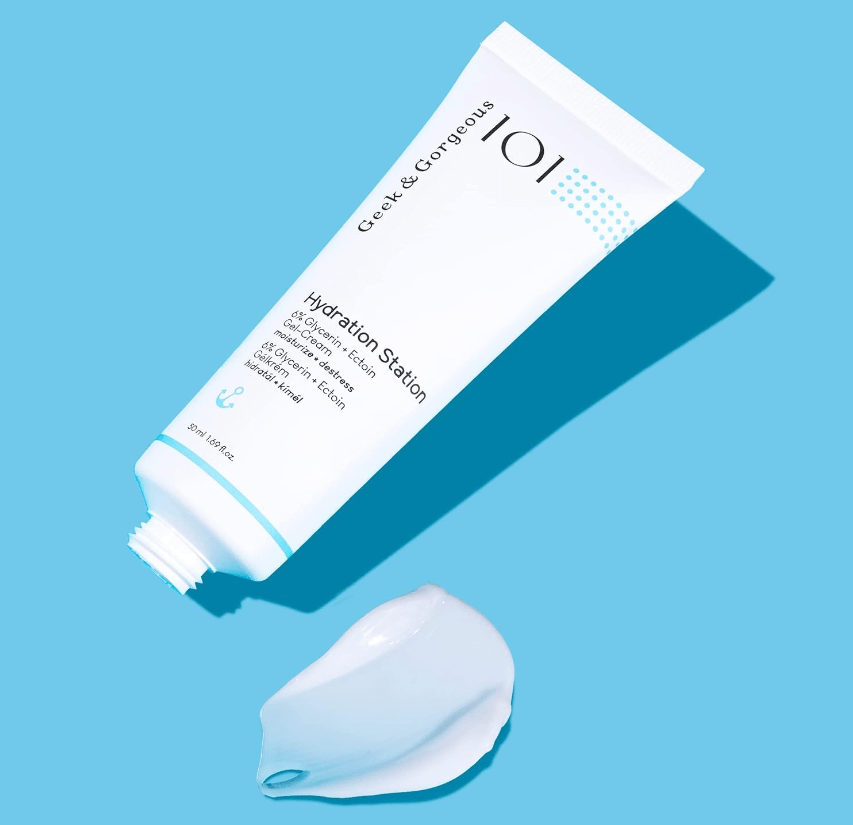
Geek and Gorgeous is a cult favourite brand amongst hardcore skincare enthusiasts.
Their skincare products are ideal for sensitive skin because they never contain fragrance or essential oils.
Hydration Station is a fungal acne-safe moisturiser that’s only £8.75 on Amazon.
I love its simple formulation that’s both hydrating and good for the skin barrier.
2. e.l.f. SuperHydrate Gel Moisturiser
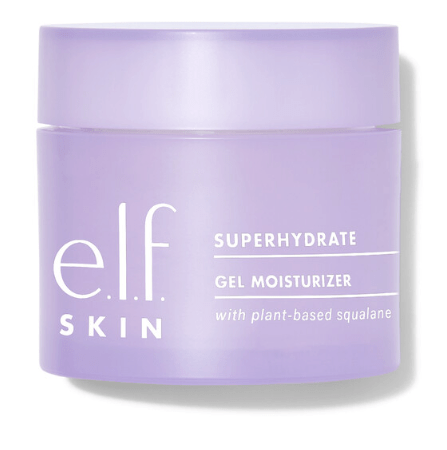
e.l.f. has made some really amazing products over the years across skincare and makeup.
This Superhydrate Gel Moisturiser for fungal acne contains squalane, which is one of the only oils that doesn’t ‘feed’ malassezia.
It also contains centella asiatica (cica), which is super soothing and also strengthens the skin’s protective barrier.
3. Purito Oat-in Calming Gel Cream
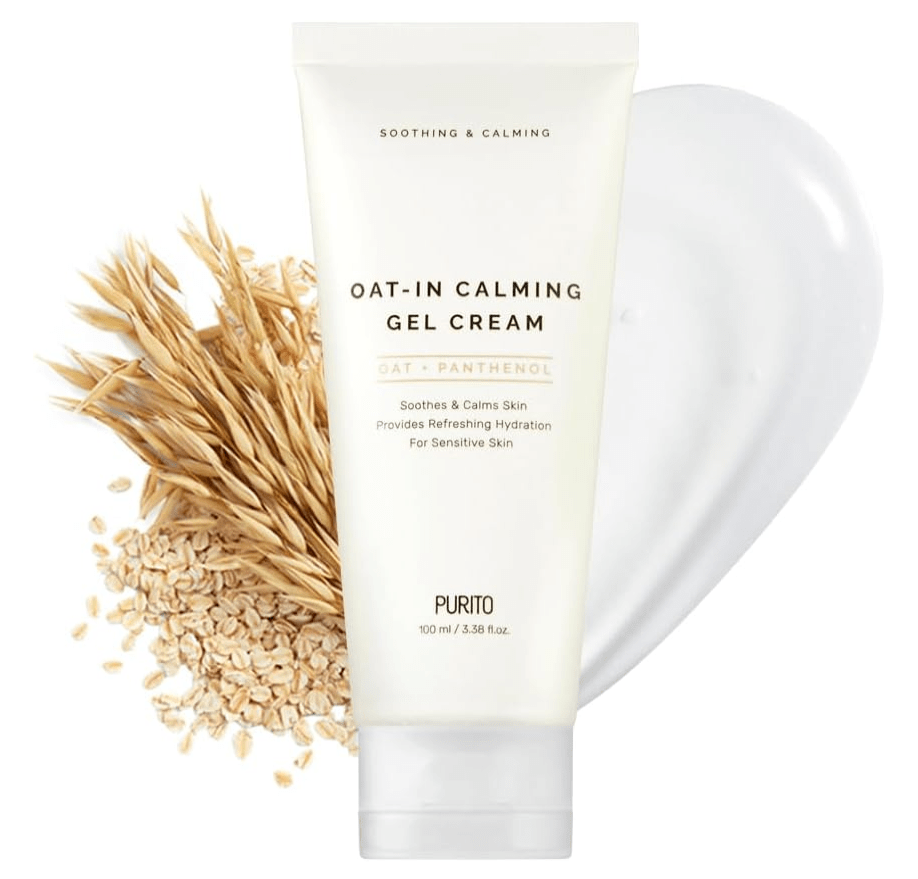
I love the Purito Oat-in Calming Gel Cream on its own, and even more when I found out it’s fungal acne safe.
I talk about it in a little more detail in my post about moisturisers for acne-prone skin.
This one is probably not quite rich enough for super dry skin, depending on your personal preference.
4. SKIN1004 Madagascar Centella Poremizing Light Gel Cream

If you prefer something super lightweight (like barely there on your skin), the SKIN1004 Madagascar Centella Poremizing Light Gel Cream is a really solid budget option.
It’s a gel cream, so it sinks in quickly, doesn’t feel greasy, and won’t leave that heavy layer that fungal acne tends to hate. It’s designed to hydrate while still keeping things fresh and breathable, which is exactly what you want if your skin is already feeling a bit clogged or bumpy.
The main ingredient is centella asiatica (aka cica), which is amazing for calming irritation and redness, so if your fungal acne is looking angry, this helps take that edge off.
It’s light, fast-absorbing, and non-greasy, which is exactly what you want when you’re trying not to feed fungal acne.
It’s especially good if your skin leans toward oily or combination, or you hate thick moisturisers.
The only thing I’d say is if your skin is very dry, this might not be enough on its own.
Best Moisturisers for Slugging with Fungal Acne
It’s super annoying if you have a good slugging routine going and then fungal acne puts a stop to it!
Luckily, there is one popular product for fungal acne and slugging.
5. Eucerin Original Healing Cream
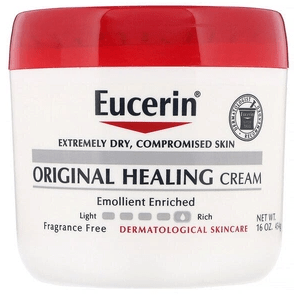
Not only is this thick cream perfect for slugging, but it also contains piroctone olamine.
Piroctone olamine is in a lot of antifungal creams because it is an antifungal agent.
This means that not only will it lock in your skincare, but it’ll also provide some yeast-fighting benefits.
It’s tough to find skincare that doesn’t trigger fungal acne, but also fights it with antifungal properties!
Best Moisturisers for Oily Skin with Fungal Acne
Although I would recommend both the e.l.f. gel moisturiser and Purito, there is one that’s even more well-suited to oily skin.
It can be really hard to have multiple skin conditions going on. Trust me, I have:
- Perioral dermatitis
- Seborrheic dermatitis
- Fungal acne (duh)
- Clog-prone skin in general
So if you have regular acne (or acne vulgaris) on top of fungal acne, it can be hell!
6. SkinFix Barrier Skin Restoring Barrier Gel Cream
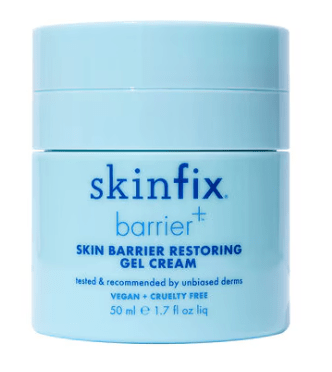
The name is a bit of a mouthful, but I think this is an amazing moisturiser for fungal acne-prone skin.
It is a little pricey, but it contains both zinc PCA and niacinamide.
They both help to control oil production, which in turn helps reduce acne breakouts.
As well as this, zinc is an antifungal agent which will help control the fungal acne itself.
Aside from this, it has hyaluronic acid and allantoin to soothe and hydrate.
7. Uriage Bariederm-Cica Daily Gel-Cream
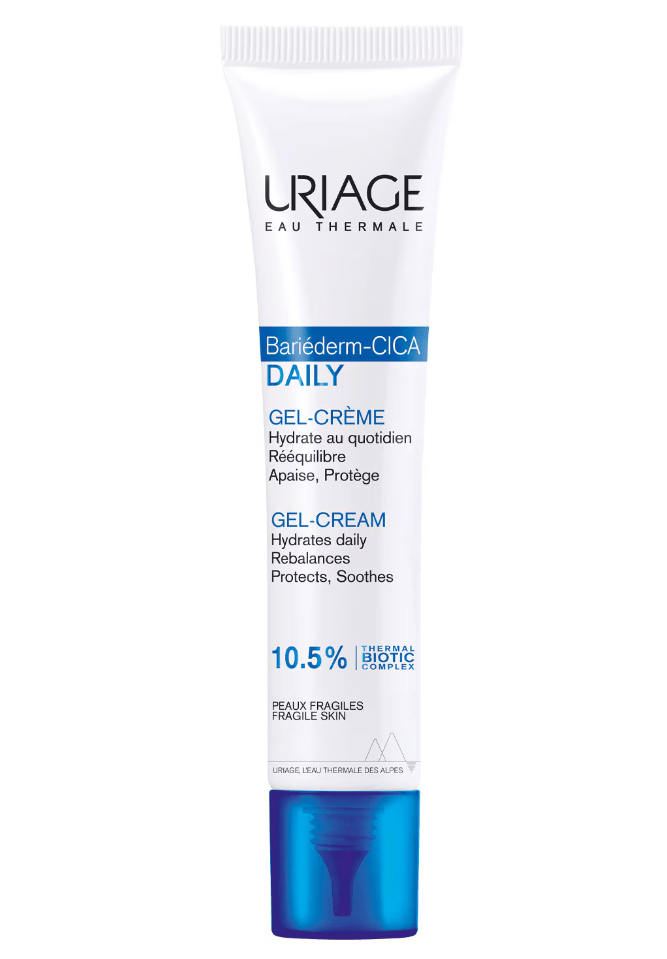
Uriage Bariederm-Cica Gel is a slightly cheaper alternative which still contains zinc.
As one of the best moisturisers for fungal acne, it’s super lightweight and free of fungal acne triggers.
It also contains cica (centella asiatica), which is good for redness.
8. Kiehl’s Ultra Facial Oil Free Gel Cream
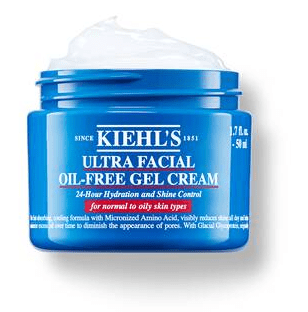
Kiehl’s as a brand is quite hit or miss for me, personally.
I used to really like their SPF30, but the non-SPF version of it broke me out awfully.
I share my journey undoing all of that on social media, if you’re interested!
This gel cream is targeted at those with oily skin, due to the lightweight gel texture.
It supposedly contains micronised amino acids, which can help control sebum, but I’m unsure how scientifically accurate that is.
Overall, it’s fairly simple with few ingredients, and some glycerin (which we love).
There is a small amount of salicylic acid, but it does not state what percentage.
It may just be used as a preservative here.
9. I’m From Vitamin Tree Water Gel
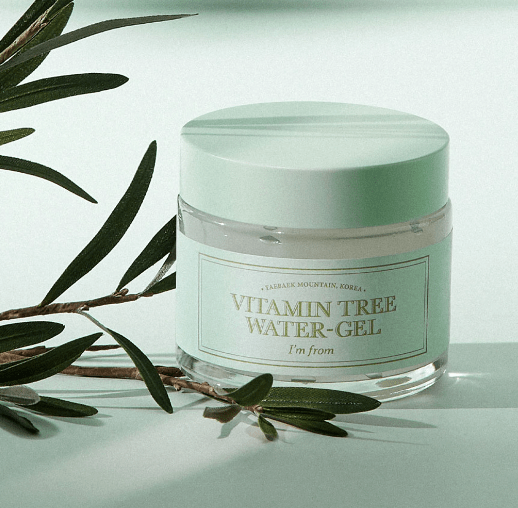
I’m From is a very popular Asian beauty brand, famous for its mugwort products, especially.
This gel moisturiser is free from fungal acne triggers and ideal for oily skin types.
This contains an unknown amount of the vitamin C derivative, 3-O-ethyl ascorbic acid.
Combined with the niacinamide in this product, it may be helpful for fading dark spots.
10. Minimalist Vitamin B5 10% Moisturizer

If your skin gets oily but still feels dehydrated (the most annoying combo), the Minimalist Vitamin B5 10% Moisturiser is one of those really solid, no-fuss options.
It’s completely oil-free and super lightweight, so it hydrates your skin without leaving that greasy film that can make fungal acne worse. It just sinks in and does its job.
The standout here is the 10% vitamin B5 (panthenol), which is basically there to penetrate the skin and hydrate properly, calming down irritation and repairing your skin barrier.
And the best part? It’s designed specifically for oily / acne-prone skin, so it moisturises without clogging things up or making your face feel like a slip ‘n slide by midday.
11. La Roche-Posay Toleriane Sensitive Fluide Moisturiser

For oily and sensitive skin, the La Roche-Posay Toleriane Sensitive Fluide Moisturiser is one of those really safe options you can fall back on.
It’s actually designed to keep skin hydrated while helping reduce excess oil, which is exactly what you want.
The formula is very “no drama” with glycerin to hydrate, niacinamide to help reduce redness and thermal spring water to soothe.
It’s also made specifically for sensitive skin, so there’s none of the extra stuff that can trigger flare-ups. It just focuses on hydration and calming, without clogging things up.
Best Moisturisers for Dry Skin That Are Fungal Acne Safe
If you’re looking for something a little richer in texture, here are some fungal-acne-safe products.
It’s hard to find a rich cream that won’t also cause further breakouts or side effects, so I’ll share my (personal) opinion where I can.
12. Thank You Farmer Phyto Relieful Cica Cream
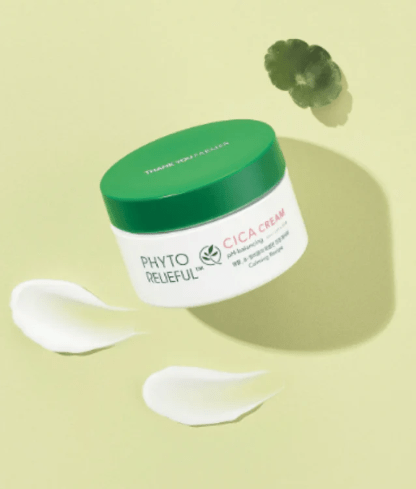
This may have a better texture if you’re struggling to find the right moisturiser and prefer thick creams.
Most of the best fungal acne-safe moisturisers are quite thin and light, as I’m sure you’ve noticed.
One thing I’m not super keen on about this moisturiser is the range of fruit extracts.
There’s nothing hugely wrong with fruit extracts; it’s just that they can increase the chances of your skin not liking something. Plants can also be common allergens.
Fungal acne-safe products tend to have fewer ingredients for this exact reason.
However, it might work for you, and so there’s no real harm in trying.
13. Curél Intensive Moisture Facial Cream
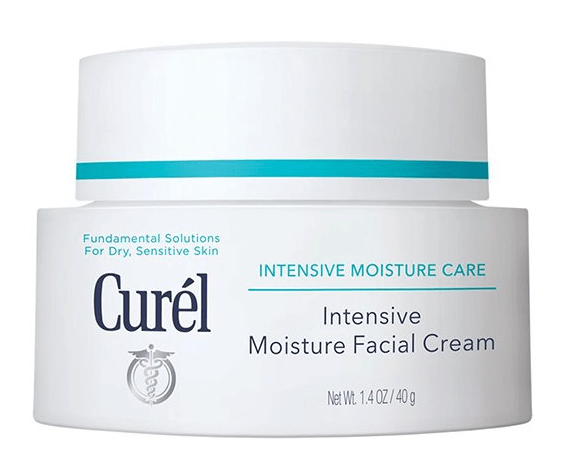
I love the brand Curél, and I think of this cream as a slightly less risky version of the Thank You Farmer.
The main difference is that it has a very simple and much shorter ingredients list.
This product mostly uses silicones to trap moisture into the skin and works well for most skin types.
However, some people with acne-prone skin may not respond well to silicones. It’s really the luck of the draw.
This moisturiser has no additional benefits other than simply moisturising.
However, well-moisturised skin allows it to better exfoliate dead skin cells itself, which is really important.
Having a damaged skin barrier can prevent this and cause further breakouts and clogs.
14. Anua PDRN Hyaluronic Acid 100 Moisturising Cream

When your skin feels dry, tight, or just constantly meh no matter how much moisturiser you use… Anua’s PDRN Hyaluronic Acid 100 Moisturing Cream is one of those creams that actually makes a difference.
It’s packed with 10 types of hyaluronic acid, which basically means it hydrates on multiple levels so your skin actually feels plump, not just temporarily moisturised.
Then you’ve got PDRN (salmon DNA). I know, sounds weird, but it’s one of those ingredients that’s all about skin repair and glow. It helps support your skin barrier and gives that really hydrated, “glass skin” look.
The only thing is it does lean more on the dewy side, so if you’re super oily, this probably isn’t for you. But for dry skin? It’s kind of ideal.
Best Moisturisers for Fungal Acne Without Niacinamide
I personally love niacinamide for brightening the skin tone, but some people just don’t get on with it!
If you’re sure niacinamide isn’t for you, consider some of these moisturisers for fungal acne without it.
15. Krave Beauty Oat So Simple Water Cream
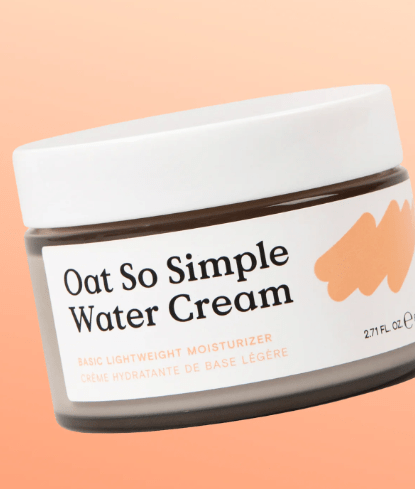
I think Krave Beauty is very mindful when they formulate products, which is why this one has such a simple formula.
The founder, Liah Yoo, has acne-prone skin, so I imagine they made this with that skin type in mind.
The Oat So Simple Water Cream is niacinamide-free and super lightweight.
It is the best moisturiser if you break out with absolutely everything!
It should also not aggravate your fungal acne, so you can move towards clear skin.
16. First Aid Beauty Hello Fab Coconut Water Cream
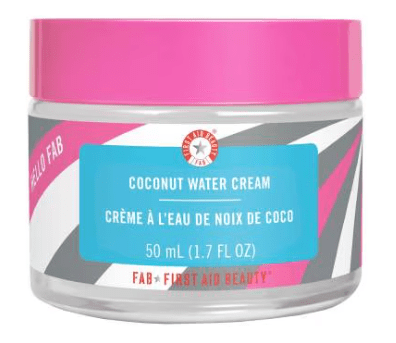
Another water cream without niacinamide, but with a more complex formula this time.
This cream by FAB is a good moisturiser for fungal acne, which contains a few coconut extracts.
Coconut is known to be anti-microbial, but I’m actually not sure if that also applies in skincare.
Luckily, there is no coconut oil, which can really aggravate all types of acne.
This cream also contains liquorice root extract, which has anecdotal evidence for brightening skin.
Best Moisturisers for Fungal Acne in the US
If you’re in the US and looking to pick up a fungal acne moisturiser in Target, for example, I’ve got a few choices.
17. Peach & Lily Glass Skin Water Gel Moisturizer
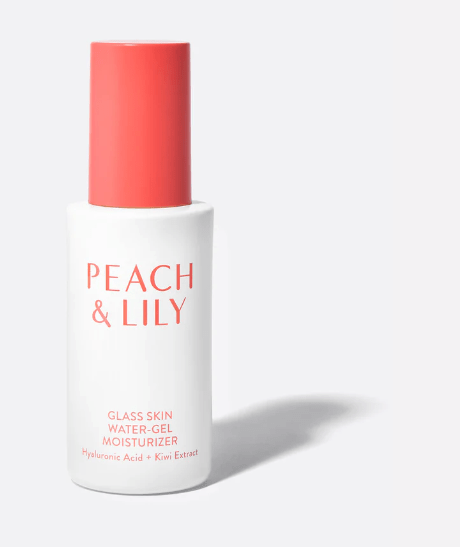
In the world of fungal acne skincare products, it’s quite hard to find ones that also feel luxurious to use.
Peach & Lily constantly surprises me with how aesthetic AND good their products are.
I’m also a fan of their oil cleanser, which I talk more about in my post, The Best Oil Cleansers for Acne-Prone Skin.
Typically, I avoid products with lots of flower extracts and things, just in case my skin doesn’t like them.
However, not everyone has this same taste, and you might enjoy it more.
The Glass Skin Water Gel Moisturizer is a gel-like texture that almost feels like a serum.
18. Malezia 5% Urea Moisturizer
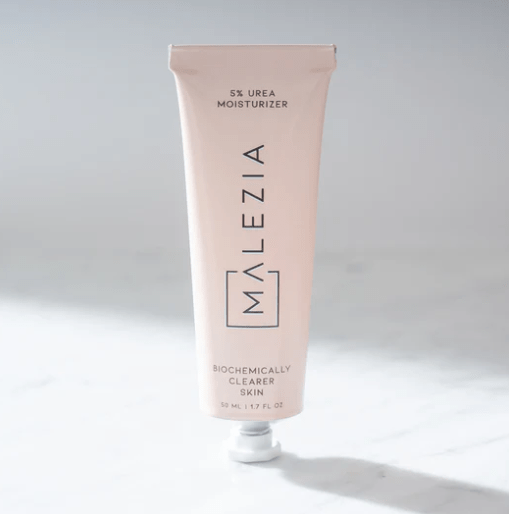
You might have come across Malezia while searching for the best moisturisers for fungal acne already.
This is because Malezia is a brand founded by the owner of Simple Skincare Science.
He encountered fungal acne and documented all about it, then created a fungal acne-safe skincare product range.
The only downside of this moisturiser is that it can be hard to get!
That’s why I recommend it in the US section of this blog.
Not only does it have a super short ingredients list, but it also contains urea.
Urea is a really gentle exfoliant that’s amazing for fungal acne.
Not only does it exfoliate, but it also hydrates super well.
19. Almond Clear Soothing Daily Moisturizer
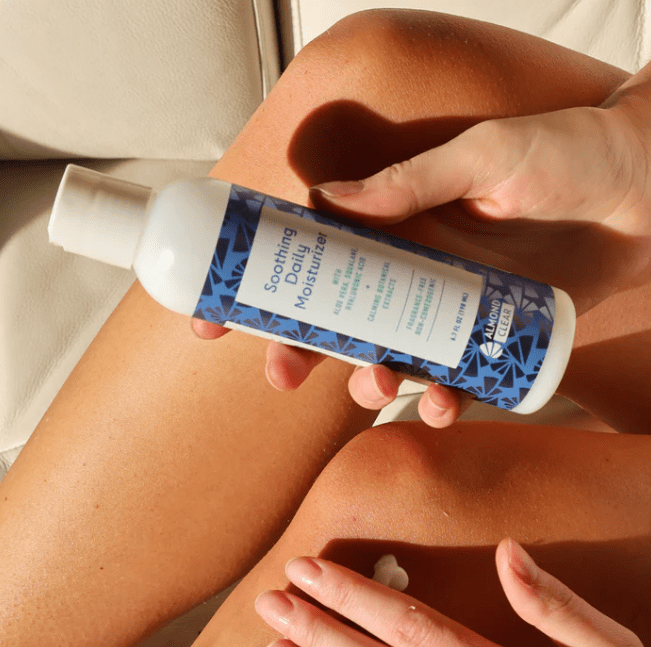
On the Simple Skincare Science website, they also recommend this one by Almond Clear.
Like many others on this list, it is a simple formula that contains squalane.
It also contains aloe vera juice, so it should be overall quite soothing.
There’s not a whole lot to say about this one; it’s super simple!
20. Skynbio HydraShield Oil-Free Moisturizer
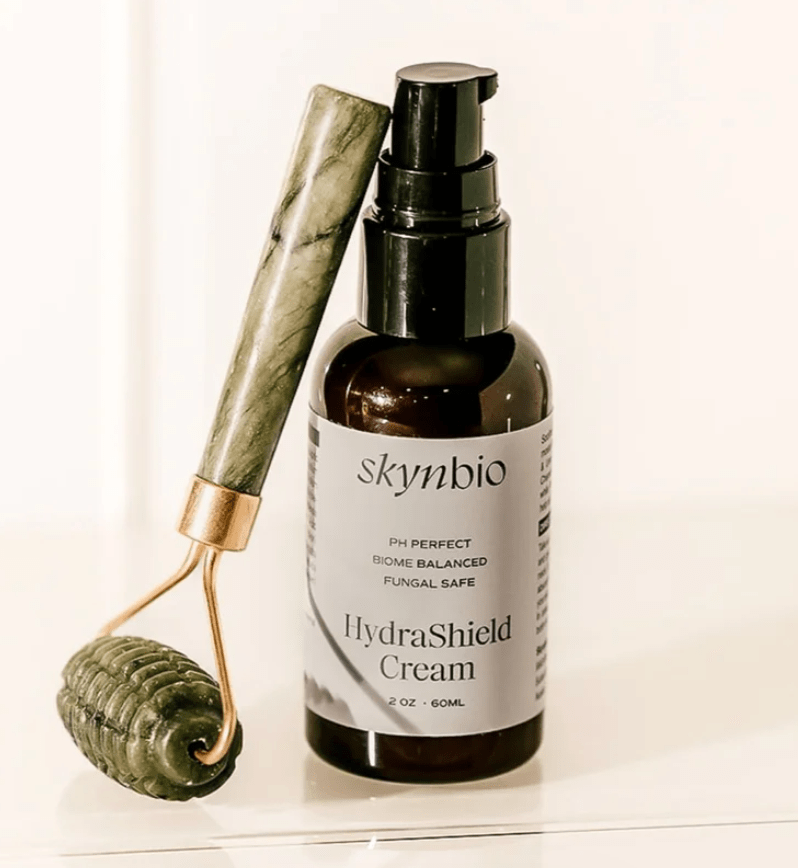
Skynbio is a new brand dedicated to creating fungal acne-safe skincare.
The HydraShield Oil-Free Moisturizer isn’t just free of niacinamide, but of course, all the typical fungal acne triggers.
It uses sodium hyaluronate, urea and sodium PCA to provide deep hydration without the use of oils.
I also love that it has a very minimal ingredients list, so it’s unlikely to cause any additional problems like regular acne breakouts.
Across these 20 best moisturisers for fungal acne, I hope you find one that works for you.
Now, let’s move on to what triggers fungal acnes, some other possible solutions and my top tips.
What Triggers Fungal Acne?

Fungal acne triggers can be products with the wrong combination of ingredients, hence this post!
But you shouldn’t ignore fungal acne triggers in your environment, such as a humid climate.
I personally notice that I only have fungal acne out of nowhere when I sweat a lot.
I joined an old school gym that didn’t have air conditioning, so I got super sweaty during my sessions.
This is what caused the first outbreak – sweating for extended periods of time.
I switched to a well-air-conditioned gym, and my fungal acne became less of a problem, but it’s still there because I’m doing cardio multiple times a week.
I also had another outbreak on holiday because I wore a tight cap to avoid the sun.
Other Fungal Acne Solutions
Some other solutions to fungal acne I’ve tried besides skincare are:
- Buying a Handheld Mini Fan: Helps reduce sweating as I get the bus, walk in the park, etc.
- Switching to a Well-Air-Conditioned Gym: Keeps me as low-sweat as possible when working out.
- Never Wearing a Hat Again (lol): Not worth the breakout.
- Getting Botox in My Forehead: My forehead is personally where I sweat the most, and Botox actually reduces sweating! Although I haven’t done this yet.
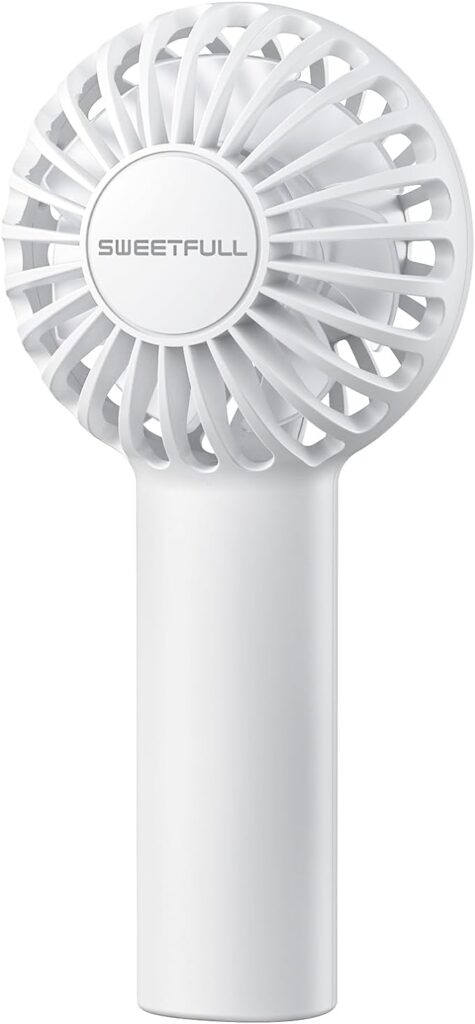
I also know that when I stop doing cardio after my upcoming holiday, my fungal acne will greatly reduce.
The sweat creates a damp environment that the yeast thrives in.
In turn, the yeast creates a type of infection of the hair follicles and irritates the skin, causing bumps that look like acne.
What About Oral Antifungal Medications?
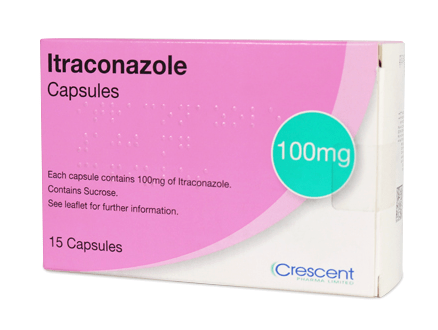
Long story short, these have varying degrees of efficacy for facial fungal acne.
My dermatologist shared this with me, but it’s also easily searchable on Reddit.
Lots of people find that the fungal acne subsides during the medication, and comes back afterwards.
This is why I think it’s key to find products that aren’t likely to trigger fungal acne.
On top of this, try to control your environment by avoiding caps, sweating, etc.
For some people, a course of oral antifungal medications will totally solve the problem, but not always.
How to Use Nizoral for Fungal Acne
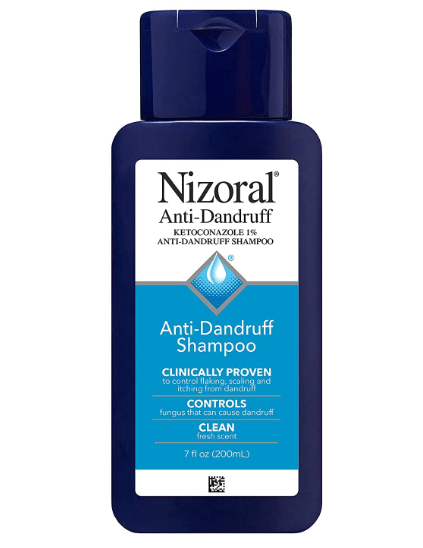
If you’ve gone down the rabbit hole of using anti-dandruff shampoo for fungal acne, I can tell you all about it.
Nizoral is recommended because it contains 2% ketoconazole, a strong antifungal agent.
It absolutely works, and it works very well.
In fact, this is a great way to test if you have closed comedones vs fungal acne or to treat your fungal acne.
- Complete your regular nighttime cleansing routine.
- Using a tiny blob of Nizoral, mix it with water and create a lather.
- Then apply it to the affected area.
- Leave it for 3 minutes, then rinse off and do the rest of your skincare.
Repeat this nightly for 3-5 days. If you notice an improvement, then it is likely fungal acne.
It shouldn’t really take more than five days to see an improvement; Ketoconazole works quickly.
The main issue with Nizoral is that it can be irritating, so you don’t want to use it forever.
The ideal solution is to use Nizoral to get it under control, whilst adjusting your skincare and environment.
My Top Tips for Fungal Acne on the Face
Here are some of my overall top tips that might also help you:
- Learn Your Triggers: Fungal acne is quite different for everyone. For example, I can keep my products the same, and it’s fine, but as soon as I start sweating at the gym, it all comes back. Others won’t go away unless they swap all products. The key is to look for your triggers and make adjustments.
- Understand Fungal Acne: Fungal acne loves damp, humid environments. If you don’t have exposure to these regularly but still have fungal acne, it is likely your products.
- Test First: If your fungal acne doesn’t respond to Ketoconazole after 5 days, it’s probably just closed comedones.
- Make Slow Adjustments: Don’t change your whole routine at once, or else you’ll get overwhelmed and won’t know what’s working or breaking you out.
- Try Retinoids: I am a hardcore retinoid fan, and I believe my retinoid really helps to keep my fungal acne clear, as well as other acne and clogged pores. Check out my best retinoids for clogged pores post. If you don’t have any kind of retinoid or exfoliation in your routine, your skin will stay ‘clogged’ looking for longer, even after the fungal acne is gone. This is because the fungal acne gets into the hair follicles and causes inflammation and bumps.
Read more tips on how to get rid of fungal acne on your forehead here.
Final Thoughts on Fungal Acne Moisturisers
Fungal acne can feel so frustrating, especially when nothing in your usual routine seems to work.
But once you realise what it actually is, everything starts to make a lot more sense.
It’s not about throwing more “acne” products at your skin; it’s about keeping things simple, avoiding ingredients that feed the yeast, and sticking to products that are actually fungal acne safe.
And honestly? Once you get it right, your skin can calm down so quickly.
If you’re not sure where to start, just focus on swapping your moisturiser first. It’s one of the biggest culprits, and making that one change can make a bigger difference than you think.
If you’d like to hear more of my opinions and product recommendations, follow me on TikTok and have a read of my Substack.