This site contains affiliate links. I may earn a small commission, at no extra cost to you.
Published on 22/11/2023 & updated on 13/04/2026.
Choosing a retinoid product can be confusing, but once you’ve found one you get along with, the results can be amazing. I am certainly hooked after nearly 4 years of using a retinoid!
One of the most popular retinol brands is Cerave, offering 2 retinols: the CeraVe Skin Renewing Retinol Serum and the Resurfacing Retinol. If you’ve ever been confused by the difference between them, you’re not alone.
They look similar and sound similar, but they’re actually designed for slightly different skin concerns. So in this post, I’m breaking down exactly what each one does, who they’re best for, and which one you should be using.
I must also add here that some of these links are affiliate links, meaning that if you purchase via the links, I might earn a small % comission, at no extra cost to you.
What Are the Benefits of Using Retinol?
Before we get into the difference between Cerave’s retinols, let’s explore what kind of benefits you can expect when using a retinoid and who is best suited for using one.
- Even Skin Texture: Retinoids help smooth out your skin over time, making it look more even and less bumpy.
- Brighten Dark Spots: They can gradually lighten pigmentation caused by sun damage, helping your skin tone look more balanced.
- Fade Acne Marks & Scars: Retinoids help with fading the appearance of post-acne marks and acne scars, making them ideal for uneven skin tones.
- Support with Acne: Acne-prone skin loves retinol! It helps keep pores clear and reduces breakouts over time.
- Anti-Ageing Benefits: Retinol prevents and reduces the appearance of fine lines, early signs of ageing and boosts collagen production.
If you’d like to learn more about retinoids, download my retinoid guide.

Can Teenagers Use Retinol?
Yes, teenagers can use retinol. Retinoids are the gold standard in dermatology for treating acne, and over time, they have become recognised for their anti-ageing benefits.
People often confuse this, and I get comments all the time on videos where people ask if they’re ‘too young’ for retinol or retinoids. The truth is that retinoids were first designed for acne, and over the years, we observed that retinoid patients age much “better” than people not using retinoids!
The only danger is misuse of the product, so if you’re under 18, you’ll want to speak with your doctor first.
However, retinoids are prescribed to teens all the time, just under different names: Epiduo, Differin/Adapalene and sometimes Tretinoin.
If you’re a teenager worried about using retinoids, check out my blog post Can Teens Use Retinol?
The Difference Between the Cerave Resurfacing Retinol and Skin Renewing Retinol
Now that you know a bit more about retinol itself, let’s get into the Cerave products comparison. When you compare the ingredient lists, there are a few obvious differences between the active ingredients in both products.
Key Ingredients in Cerave’s Retinol Serums
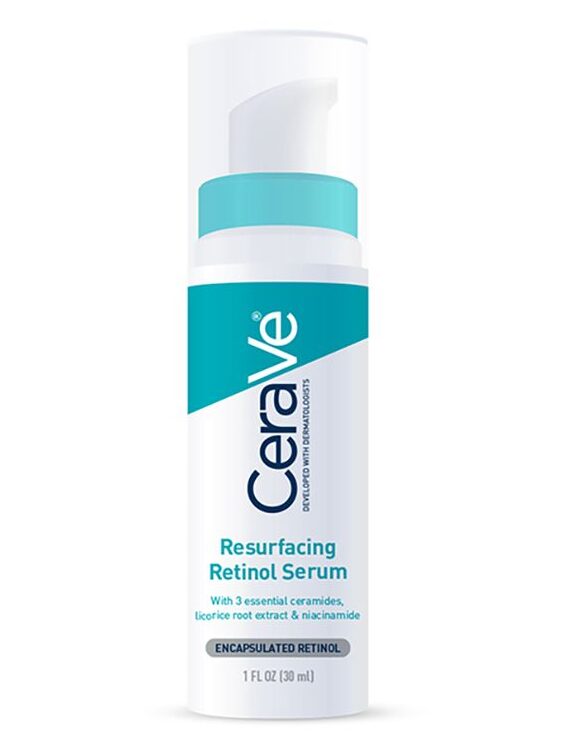
Both serums contain retinol and ceramides (obviously), but the Cerave Resurfacing Retinol Serum specifically contains:
- 0.3% retinol
- Ceramides
- A slightly larger amount of niacinamide
- Liquorice root extract
- Sodium hyaluronate
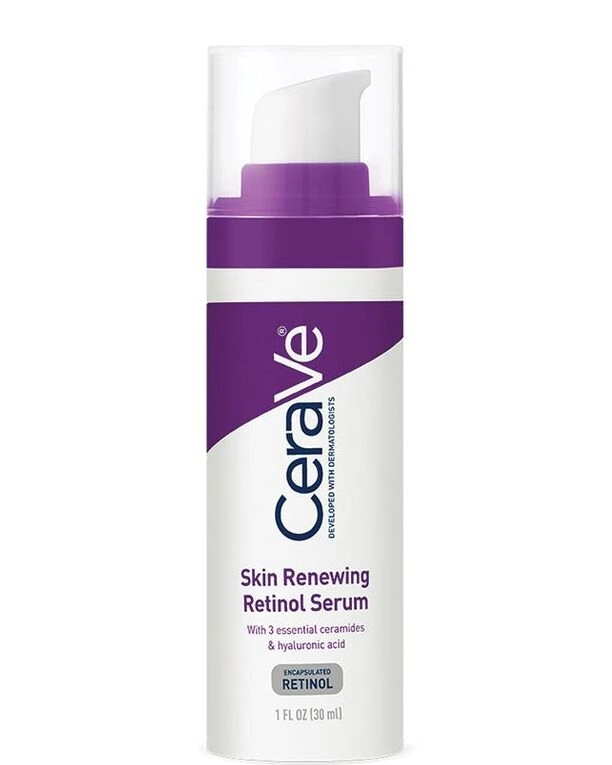
Whereas the Cerave Skin Renewing Retinol Serum contains:
- 0.2% to 0.35% Retinol
- Ceramides
- Niacinamide
- Hyaluronic acid
- A small amount of shea butter
So they are both very similar, but do have key differences. Let’s look at what the ingredients really mean for acne-prone skin, to help you decide which is better for you. I’ll share my opinion at the end about which is best for acne!
Niacinamide
Niacinamide, which is a form of vitamin B3, is a really versatile skincare ingredient that helps support your skin barrier, improve uneven tone, and keep oil production under control.
It’s one of those ingredients that works well for pretty much all skin types, especially if your skin is a bit sensitive or breakout-prone.
What Are the Benefits of Niacinamide?
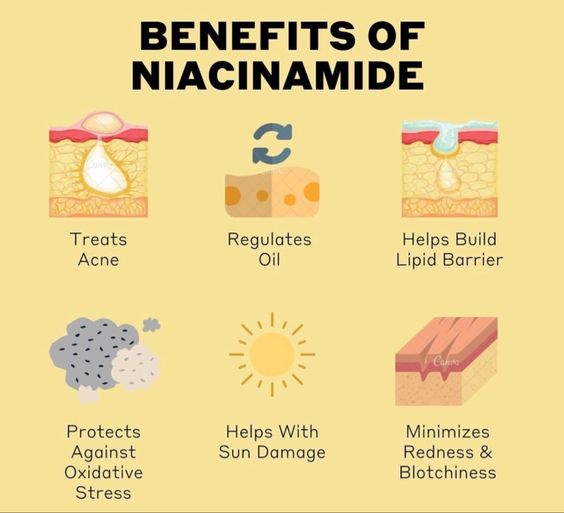
In case you’re not familiar with niacinamide, it has several benefits, including:
- Reducing the Appearance of Pores: Niacinamide can help minimise how visible your pores look, giving your skin a smoother overall finish.
- Strengthening the Skin Barrier: Our skin has a protective skin barrier that can be damaged when using retinoids and acids, so niacinamide helps to counter this effect.
- Improving Uneven Skin Tone: Niacinamide helps to brighten and even out your complexion over time.
- Regulating Sebum Production: With consistent use, niacinamide can help regulate sebum production, which often means fewer breakouts.
Both formulas contain niacinamide, though the Cerave Resurfacing Retinol Serum contains just a little more. This is probably not enough to sway you in either direction just based on this alone.
Liquorice Root Extract
Liquorice root extract is a lovely, soothing ingredient that’s becoming more and more popular in skincare lately.
It’s definitely a good thing when a product contains it, especially if you have acne-prone or sensitive skin.
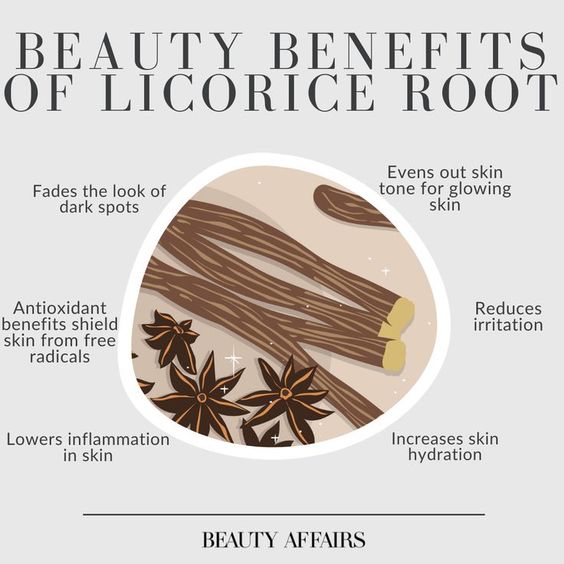
Liquorice root extract has two main uses in skincare: to soothe skin and reduce skin irritation, and to help fade old and new acne marks.
It feels obvious to me that Cerave have definitely created this retinol for people who are regular acne sufferers looking to reduce their breakouts and even out their skin tone.
Essential Ceramides
Cerave’s products nearly always contain their signature ceramides: ceramide NP, ceramide AP and ceramide EOP. You may already know, but ceramides are essentially fats found within our skin that make up our skin’s barrier.
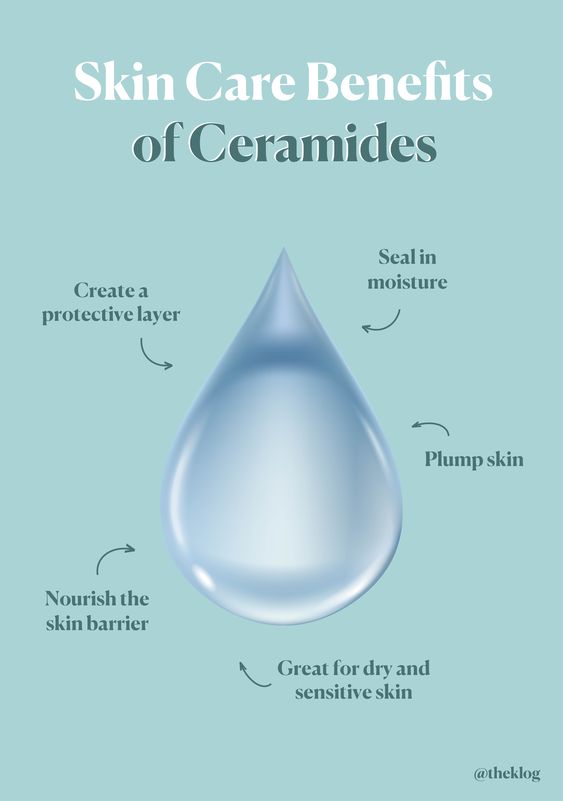
When you have a compromised skin barrier, you’ll want to use a product that contains ceramides to help ‘glue’ it all back together. You might be wondering whether they’re still necessary to use if your skin barrier isn’t damaged. The answer is no, they’re not necessary, but I’d still recommend it.
I do, personally. I use a barrier serum morning and night because I use retinoids weekly, so I’m at risk every week. If you use acids, actives or even just vitamin C, I highly recommend a barrier serum for clog-prone skin.
Ceramides are also fantastic for dry skin and basically all skin types.
So, What’s the Difference Between Cerave’s Retinol Serums?
All in all, it’s clear to me that the Cerave Resurfacing Retinol Serum is slightly better suited to younger skin with acne. For anyone between the ages of 18 and 30, I would suggest using it to reduce acne and improve your skin’s texture.
When it comes to the Cerave Skin Renewing Retinol Serum, this feels more targeted to people who’re looking to see an improvement in overall skin quality, including fine lines, anti-ageing and mild acne.
If you’re looking to use a retinoid for the first time to build an anti-ageing skincare routine, I think this would be a great start.
It’s true, both formulas will treat acne and anti-ageing, but the liquorice root extract in the Resurfacing formula suggests greater efficacy for acne, in my opinion.
Where Does Retinol Go in Your Skincare Routine?
Retinol cream can have a massively positive impact on the way your skin looks, but you need to use it correctly, so here are some guidelines:
- Introduce it Slowly: Start with 1-2x per week for a few weeks, then 2-3x and up to 4-5x if you prefer.
- Daily Use Isn’t Necessary: If you’re happy with how your skin looks, you don’t have to keep increasing the frequency of application.
- Apply it onto Dry Skin: Use after cleansing on fully dry skin, not damp!
- Avoid Using with Exfoliators: Don’t use it with salicylic acid or any other kind of exfoliating acid, as this will be too harsh on your skin and you risk irritation.
- Use Sunscreen: Make sure you use a broad-spectrum sunscreen while using a retinoid. Your acne may improve, but without an SPF, you’ll lose out on the anti-ageing benefits. If you’d like some recommendations, check out my sunscreens for acne post here.
What Are the Side Effects of Retinol?
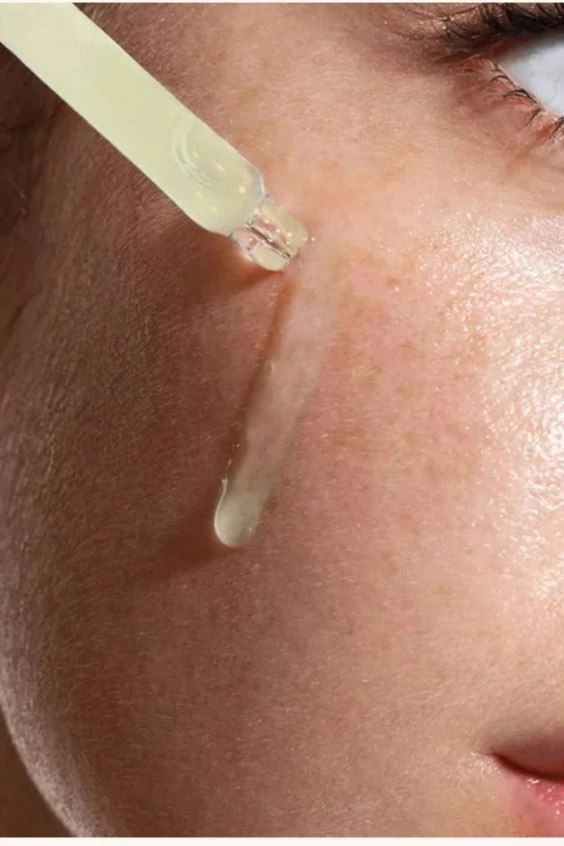
It can take 2-3 months to adjust to retinol, and within that timeframe, you may notice some side effects. As retinol speeds up skin cell turnover, sometimes you’ll see an increase in acne.
This is not new acne, although it can appear that way. This is acne that’s been forming under your skin for weeks and months, and the retinoid is bringing them out super fast! It’s totally normal and expected.
Other side effects of retinol include redness, stinging, dryness and flaky skin. There’s no need to exfoliate the dry skin away, as this will create irritation, and if you notice stinging, take a couple of days off, and this is a sign your barrier is sensitive.
Final Thoughts on Cerave’s Retinol Serums
Overall, if you’re looking for an effective product to refine the skin’s surface and contribute to reduced signs of ageing and acne, both of these could suit you well.
However, if you’re acne-prone, I recommend the Cerave Resurfacing Retinol Serum, and if you’re looking for something gentle to take the edge off ageing, I recommend the Cerave Skin Renewing Serum.
Remember to give your skin time to adjust to retinol, don’t overdo it, and make sure you’re supporting your barrier alongside it.
If you’d like to hear more of my opinions and product recommendations, follow me on TikTok and have a read of my Substack.
You May Also Like:
- Water-based cleansers for clog-prone skin
- Barrier serums and creams for clog-prone skin
- Is dermaplaning good for your skin?


