This site contains affiliate links. I may earn a small commission, at no extra cost to you.
An optimal skincare routine is both corrective and preventative, in my opinion. It clears up breakouts and gives us radiant texture while repairing damage and slowing signs of ageing.
Fine lines and wrinkles are a normal part of getting older. We shouldn’t fear it, but we can slow it down with strategic beauty products and techniques.
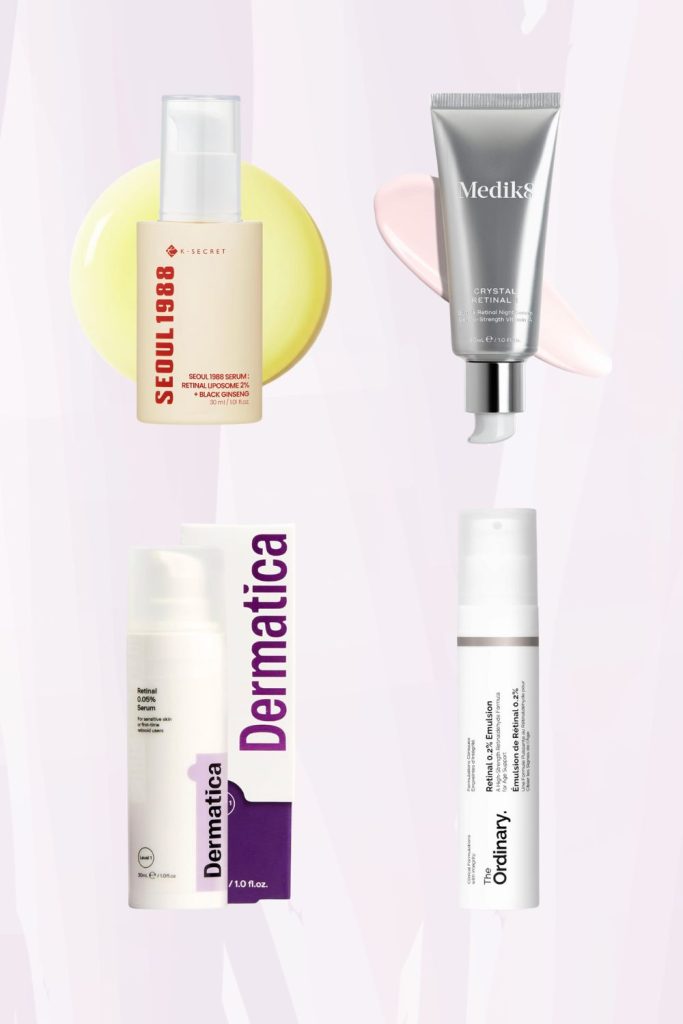
There are lots of anti-ageing solutions out there. Some are useful and some are baseless fads. Retinoids are one of those skincare trends that actually have merit. It really is the best multitasking ingredient on the market. Once I got into retinoids I stopped using my chemical exfoliants, that were previously my ride or die products.
That said, there are more than one type of retinoid – and the differences genuinely matter. So in this post I’m discussing one of the best forms: retinaldehyde. I’ll share what it is and why I recommend it.
What is retinaldehyde? The best over-the-counter retinoid
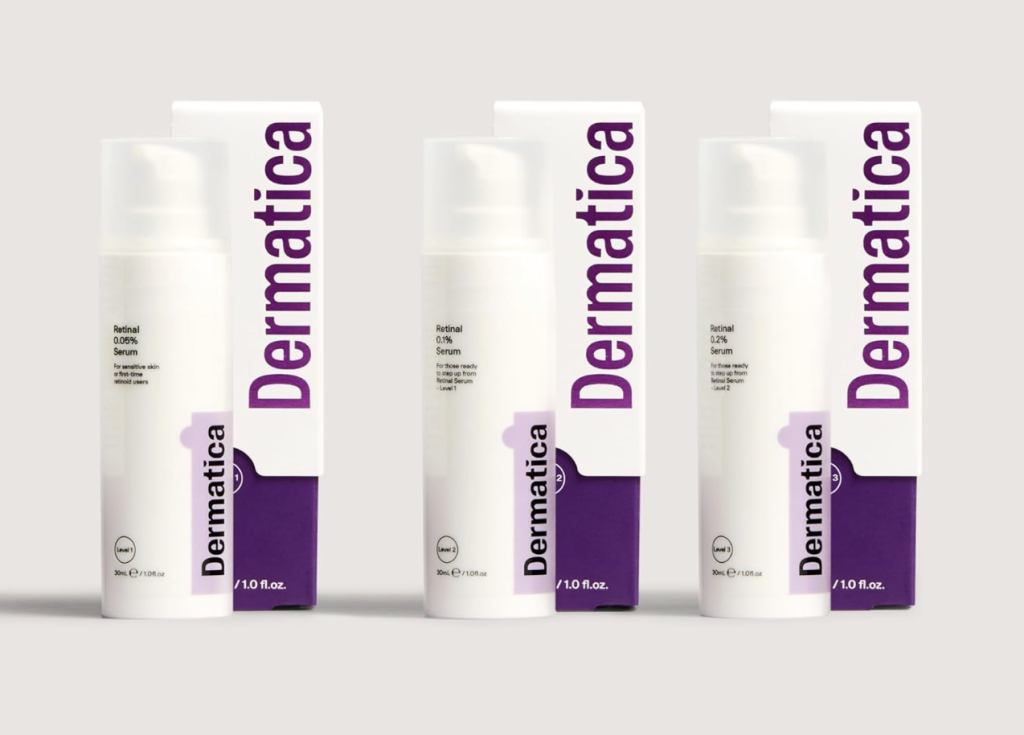
There are multiple forms of retinoid, and you’ve probably heard of two of the most popular: retinol and tretinoin. However, you may not have heard of retinaldehyde (retinal). Each is an active form of vitamin A, but they range in strength.
To understand why I love retinal so much, let’s look at the different retinoid types from weakest to strongest:
- Retinyl Palmitate: Over-the-counter
- Retinol: Over-the-counter
- Retinaldehyde: Over-the-counter
- Tretinoin (Retinoic Acid): Prescription
- Adapalene: Prescription
- Tazarotene: Prescription
- Trifarotene: Prescription
Retinal is the most powerful retinoid available over-the-counter. Not only is it stronger than retinol, it works up to 11x faster.
It produces results so quickly because retinal is just one conversion step away from retinoic acid. This matters because before our skin cells can use a retinoid, it must become retinoic acid. All retinoid types follow a chain reaction to eventually take on this usable form.
Once a retinoid goes through the conversion process to form retinoic acid, you see all the anti-ageing and beauty benefits: increased cell turnover, boosted collagen production and clear pores.
With other OTC retinoids, it can take much longer to get to retinoic acid. So, when applied to the skin, retinol can take much longer to shower the results of retinaldehyde. This is because retinoids with more conversions steps lose some of their ‘strength’ along the way, during the conversion process.
While a prescription retinoid like tretinoin or adapalene offers skincare benefits, it’s often too strong, leading to irritation and dryness. Some people can tolerate prescription retinoids right away, but not everyone.
All this to say, everyone should try retinaldehyde if they’re wanting to see real results. This one product can completely transform your skin and help you reach multiple beauty goals at once.
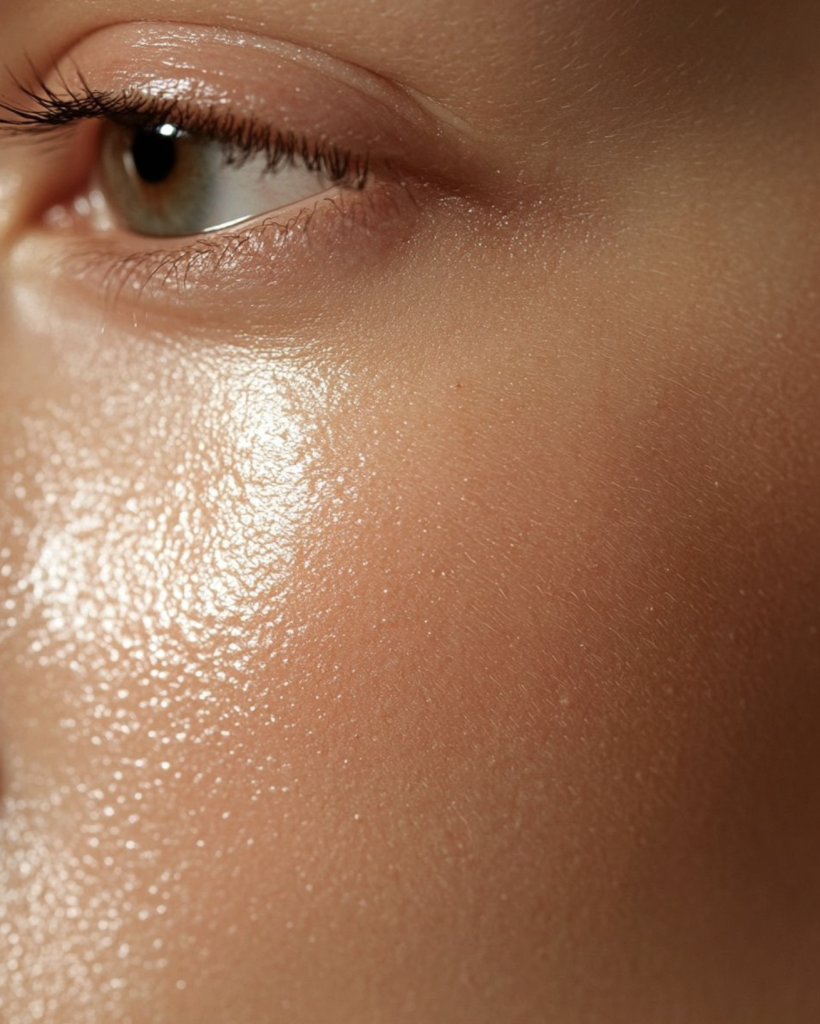
Just look at the difference after I started using retinal:

What does retinaldehyde do for the skin?
Firms up the skin by boosting collagen production
Collagen is the main structural component of our skin. It’s what prevents sagging, wrinkling and keeps our skin firm and smooth. It can also help retain moisture.
When retinaldehyde is converted to retinoic acid, its activity in skin cells actually stimulates collagen production. At the same time, it slows the breakdown of existing collagen.
That means a retinal can help you restore and maintain good skin structure. So, whether you’re looking to reduce the appearance of fine lines and wrinkles or tighten loose skin, retinaldehyde is a smart addition to your skincare routine.
Evens skin tone and texture by speeding up skin cell renewal
As retinal turns to retinoic acid, it also speeds up the life cycle of your skin. Dull, rough, dead skin cells shed off the surface and fresh, healthy skin cells replace them.
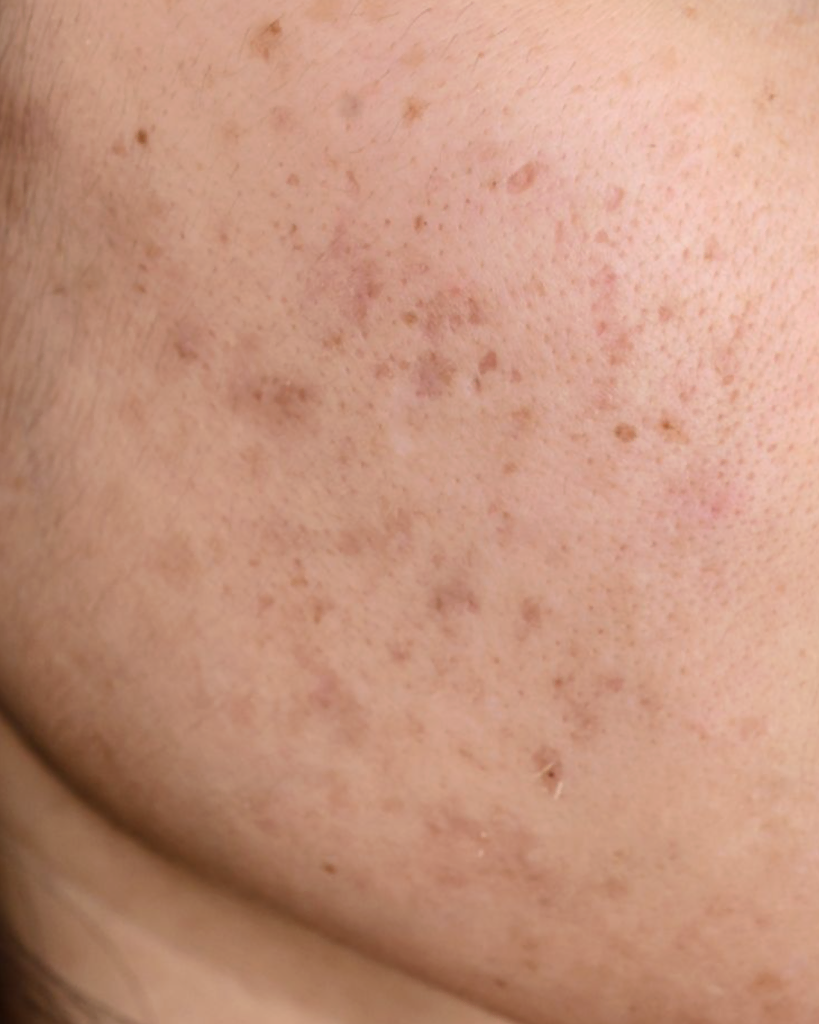
This cell renewal process is key to improving skin texture and tone. Normally, a full cycle takes 28-40 days, but with retinal it can speed that right up. That means a bright, even complexion is easier to maintain all year round, assuming you’re consistent with your retinoid.
Reduces acne and breakouts by unclogging pores
Pores are usually clogged with a mix of excess oil, dead skin cells, and bacteria. So, one of the big benefits of retinaldehyde is acne and breakout control.
Mainly, retinal helps by removing dead skin cells. However, it can also balance oil production by improving overall cell functioning.
So, your cleanser takes care of bacteria, and your retinal handles oil and dead skin cells. Together, they clear up most forms of acne, apart from hormonal acne – more on this later.
There are some people that claim retinoids worsen acne. This isn’t exactly true. You can read more about that myth in my post: does retinol make you breakout?
And, if retinal and other treatments aren’t clearing your skin, you may be dealing with fungal acne or hormonal acne.
Enhances absorption of other skincare products
Dead skin cells can create a sort of barrier over your face that prevents products from absorbing fully. It makes them less effective.
By clearing dead skin cells, retinal can help you maximise the benefits of your other skincare products too. The fresh, healthy skin is more readily able to absorb active ingredients for the best results.
Is retinaldehyde safe?

Yes, retinaldehyde is safe. (Unless you’re pregnant, then use BHA or azelaic acid).
Even though it’s more potent than retinol, it’s still gentler than prescription retinoids. So it’s effective but doesn’t often cause irritation.
It’s generally regarded as suitable for all skin types. Dry, oily, sensitive, and combination skin types all tolerate retinal well.
Some side effects to watch out for are dryness, flaking, and redness – though that’s normal when you’re first starting. It shouldn’t stick around longer than a few weeks.
In the first few months, you’ll also experience skin purging. This is when clogged pores from deeper layers of skin are rapidly brought to the surface due to accelerated cell turnover. It looks like a breakout, but it’s part of the process.
Once those clogs are cleared away, you’ll get the results you’re looking for. It’s worth the wait, in my opinion.
How to use retinaldehyde
Step One: Include it in your evening skincare routine
Always use retinal in your evening skincare routine, as it can make your skin a lot more sensitive to UV damage and some lights can degrade it. Using it at night gives your skin time to repair itself and ultimately reduces the risk of irritation.
Step Two: Always double cleanse first and pat your skin dry
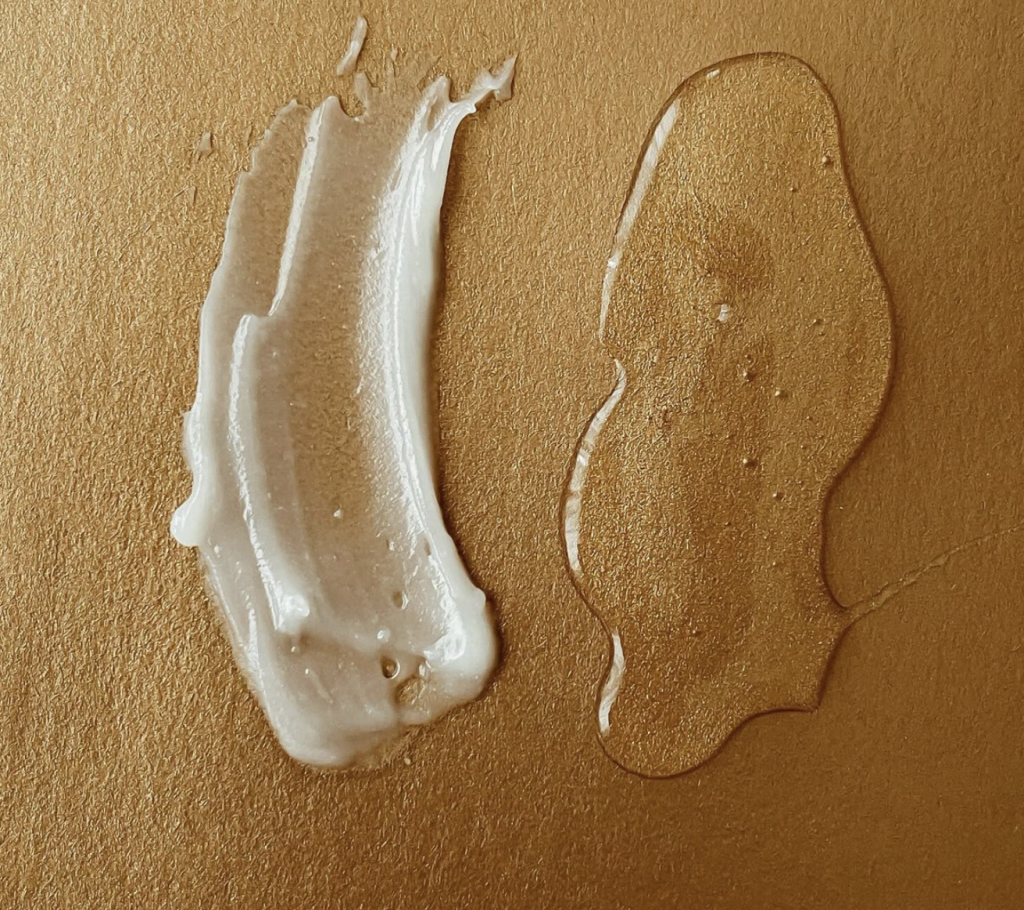
The first step to your routine is a double cleanse. This is another one of those skincare trends that’s actually very effective. I recommend almost everyone double cleanse in the evening – skip it in the morning.
Use an oil or balm-cleanser to dissolve makeup, sunscreen, and oil. Then follow it with a water-based cleanser to ditch sweat, dirt, and any leftover residue from the oil cleanser.
Ideally, use cleansers with moisturising ingredients as well and without fragrance or essential oils. Retinoids can make your skin drier, so combat that with layers of moisture. Look for ingredients like hyaluronic acid, ceramides, aloe vera, and panthenol. Avoid things like: fragrance, parfum, any kind of plant essential oil.
Once you’re done cleansing, pat your skin dry. Never apply retinal to wet skin. It can dilute the product, give you ‘hot spots’ of irritation and can actually make it penetrate too quickly, causing irritation.
Step Three: Start slow with low-medium strength at 1-2 nights a week
Retinal is the next step in your evening skincare routine – but don’t do it every night. It’s unnecessary and will probably just irritate your skin.
Instead, start with using retinol 1-2 nights a week. And never use it on days when you’re exfoliating or using other strong treatments. You can increase it later, either up to daily or every other day.
Step Four: Spread a pea-sized amount all over your face
On nights when you apply your retinal, only use a pea-sized amount. More retinal will not give you better results, it’ll just waste your product and give you more irritation.
Spread it evenly all over your face and let it sit. You want it to absorb fully into your skin without interruption from another product. I usually wait 5-10 mins.
Step Five: Apply moisturiser and a barrier heath product
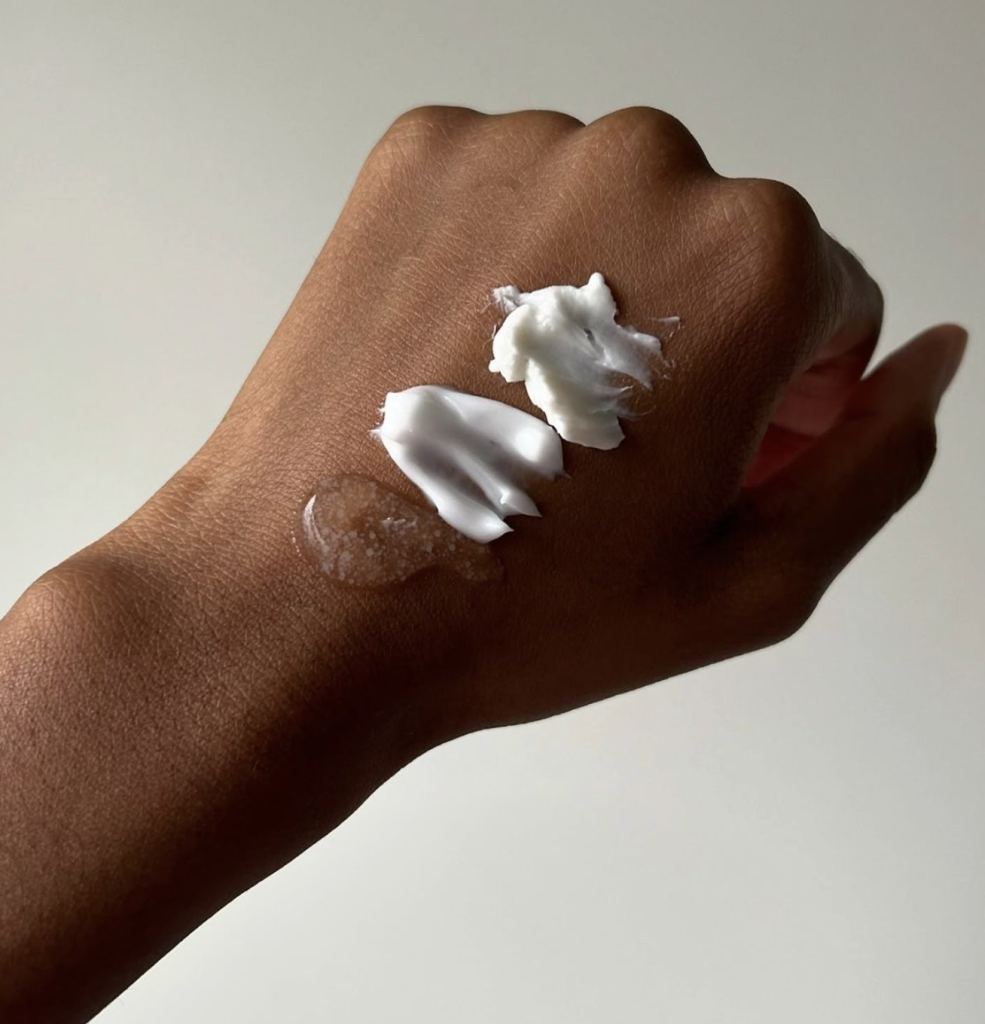
Since retinal is a fairly potent skincare ingredient, it can strip your skin of some of its natural oils and hydration. And it’s not very skin barrier-friendly, overall.
Compensate in your skincare routine by applying moisturiser and barrier-protecting products. The heaviness of the moisturiser really depends on your skin type, so start with something lightweight and go richer if needed. (Here are some recommended moisturisers.)
As far as a barrier health product, use something like or Purito Centella Unscented Serum or Aveeno Face CALM+RESTORE Triple Oat Serum. Both products are great for rebuilding and maintaining the skin barrier post-retinoid.
And these products aren’t just for days where you use retinal or your skin barrier feels damaged – I like to use a skin barrier product morning and night to keep it as strong as possible.
Step Six: Stay committed for 4-6 months if tolerating it well
As long as your skin is tolerating retinal well, stick with it for at least 4-6 months. If you’re having chronically inflamed and irritated skin, you may need to move down to a gentler retinoid.
However, don’t stop using retinal because of breakouts. That’s the skin purge I was talking about. The only way out is through, and the end results are well worth a couple months of acne IMO.
Step Seven: Don’t forget SPF in the morning
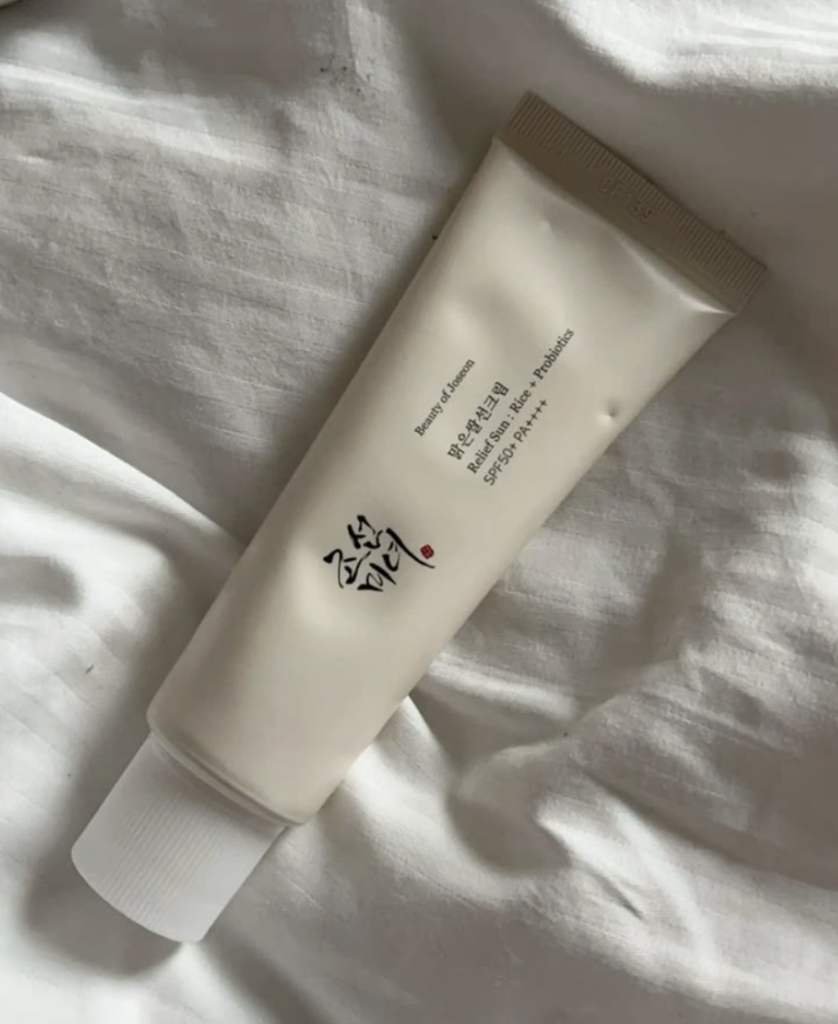
The next morning, don’t skip your SPF. Sunscreen is always essential, but it’s absolutely non-negotiable after using a retinoid.
Your skin barrier is slightly weakened post-retinoid, and those fresh new cells are extra sensitive to light. If you go on holiday, be sure to stay out of the sun and wear a hat.
So, make sure you reapply throughout the day. If you normally forget, ensure you really make it a priority this time. A good quality sunscreen prevents the sun from undoing all of your retinal’s hard work.
What products have retinaldehyde?
- Medik8 Crystal Retinal Serum
- The Ordinary Retinaldehyde 0.2% Emulsion
- KSecret Seoul 1988 Serum with Retinal Liposome 2%
- Dermatica Retinaldehyde
- Geek & Gorgeous A-Game Retinaldehyde
How long does retinaldehyde take to work?
You’ll likely see some improvements in skin texture in 4-8 weeks. You should start to see more even, bright skin. You can’t expect acne to completely go away as this is largely dictated by hormones, but you should get fewer spots overall.
At 6-9 months you’re seeing *close* to the full effects. Firm, radiant glass skin with a glowy complexion. Often you’ll even see reduced signs of ageing like dark spots and wrinkles. I have been using retinoids for 5 years and I feel like the results compound – year after year it just looks better.
These results are noticeably faster than other over-the-counter retinoids, which is why I recommend it over other retinol products.
What about retinaldehyde for hormonal acne?

Retinaldehyde can help with all kinds of acne, but hormonal acne is by far the most stubborn. Whether retinaldehyde works for your hormonal acne depends on the severity and causation of it.
Some people will find that retinal works really well for their hormonal acne, and others it won’t touch the sides. I usually recommend a retinoid of some kind for hormonal acne, even if it’s not clearing it 100%, since it has so many benefits overall.
You can then work with a GP or dermatologist alongside the retinoid to create a well rounded plan to tackle your acne.
Retinaldehyde is the gold standard for OTC anti-ageing skincare products
Bottom line: Retinaldehyde is the over-the-counter retinoid you want in your routine. It firms, smooths, brightens, unclogs pores, and helps your other products work harder.
Faster than retinol, gentler than prescription options, and genuinely multitasking. It honestly doesn’t get much better than that.
Use it consistently, be patient, and you could finally reach your skincare goals.
If you’re ready to get started, download my beginner’s guide to retinoids. You can also follow me on TikTok, Instagram, and browse the rest of my blog for additional skincare and beauty resources.